


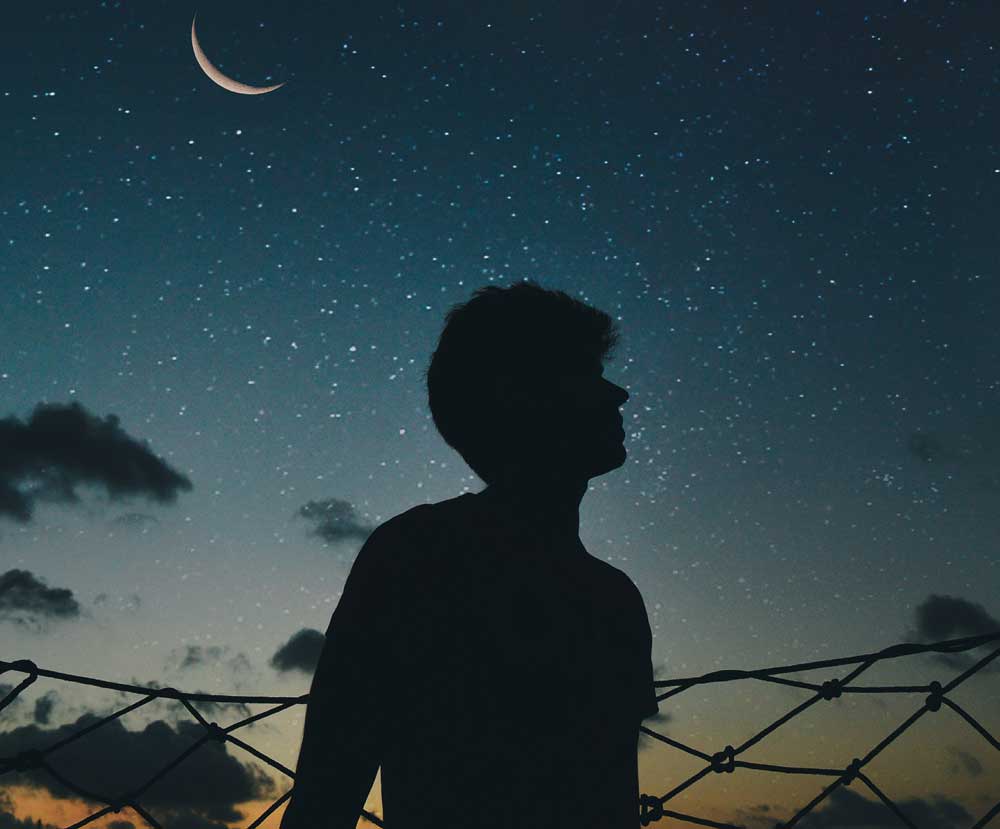
Don't curse the darkness, embrace it instead! It's at least as important to your health as light – and these days, darkness is actually in short supply.
Are you one of those who complain about the dense darkness during the winter months? There are several reasons to reevaluate the view of darkness as something bad. Instead, we should take the opportunity to embrace twilight now during the dark season, for the sake of our health.
“Our internal clock, the so-called circadian rhythm, needs both light and darkness,” says doctor Robel Malki. He explains that the body is adapted to the alternation between light and darkness.
– Humans, and indeed also animals and plants, have a 24-hour system that controls tasks in the cells so that they occur at the right time for the organs. This circadian rhythm regulates body functions such as blood pressure, body temperature, hormone secretion and even cell division, says Robel Malki.
It is light and darkness that adjust the entire vital system. When it gets dark, the sleep hormone melatonin is secreted, telling us to go to bed. When it gets light, the sleep hormone is turned off and instead other, more activating hormones begin to flow. Both of these phases are dependent on each other to function optimally, and that is why darkness is just as important as light. It ensures that we sleep much better. In the dark, the body reacts by lowering body temperature and blood pressure so that we can calm down and fall asleep. It is now known that sleep acts as a repair break for the body. Later at night, certain parts of the immune system work extra actively, the brain clears out waste products and this is also when growth hormone is secreted the most.
However, the melatonin that is produced when we are in the dark is not only sleep-inducing, it is important in other ways as well: Melatonin is a strong antioxidant that can prevent certain diseases. Researchers have, among other things, conducted studies on melatonin as a preventive treatment for certain forms of cancer, such as breast and ovarian cancer. Some believe that it also has a rejuvenating effect, but there is no clear evidence for this yet.
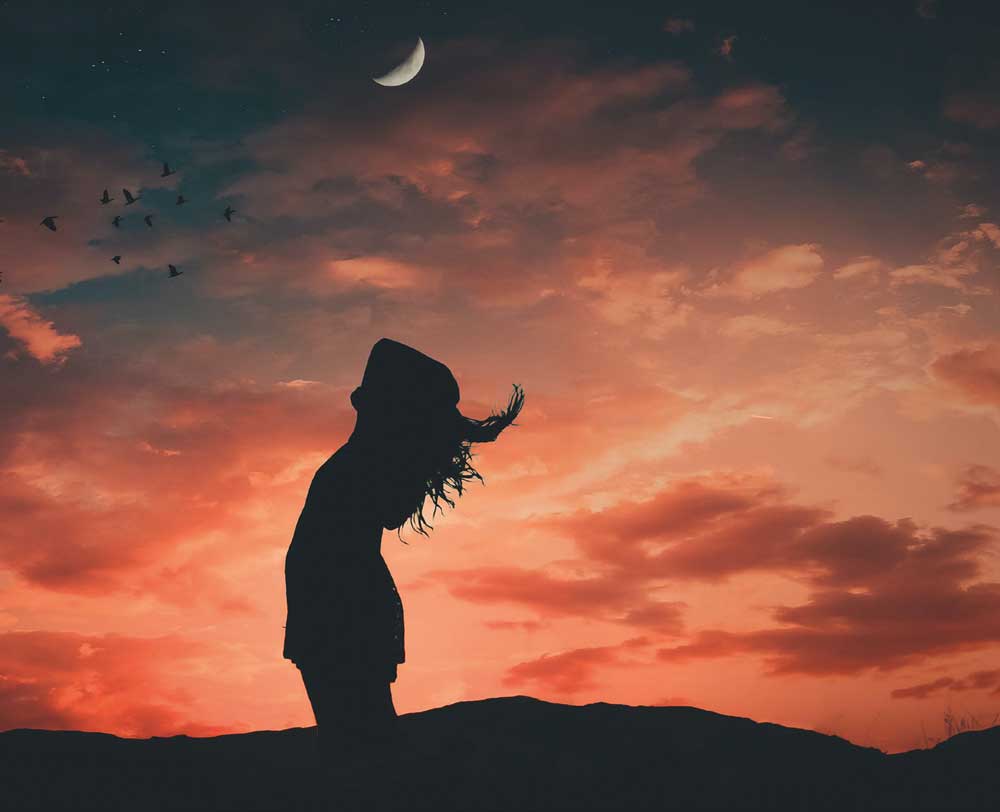
If we brave the darkness, for example by leaving a lot of lights on, we shift our built-in circadian rhythm and miss out on important functions. It also disrupts our blood sugar, which can increase the risk of obesity, type 2 diabetes and other diseases, research shows.
“The artificial light that we are constantly surrounded by in the form of lamps, computer screens and mobile phones is widely discussed. It is believed that it can lead to health problems. For example, looking at a bright screen late at night before bed is bad for sleep because it keeps us awake,” says Robel Malki.
Studies have shown that animals exposed to light around the clock develop osteoporosis and lose muscle mass. It is not known for sure whether the same applies to humans. However, it is clear that we should embrace the darkness with greater gratitude than we do today. The fact is that we are now surrounded by so much artificial light that scientists are talking about serious ”light pollution” that disrupts our entire biological system. Light pollution is also increasing by 4 to 6 percent per year, research shows. Darkness is simply in short supply these days, and truly pitch-black nighttime darkness is so rare that it has become a tourist attraction. The International Dark Sky Association has selected a number of so-called ”dark sky communities,” communities where people actively work to protect the darkness. Most are located in the United States, but the Danish cliffs of Møns Klint and Nyord are also on the list.
Light pollution facts

• Lack of darkness, if you will, affects all living things, including animals and plants. • Light pollution is by definition bad for the climate because it is a waste of energy. • It is well known to humans that the blue wavelengths in LED lights, among other things, make it difficult to fall asleep and contribute to disrupting our circadian rhythm. • Facade lighting and street lamps also disrupt our need for darkness - even though we don't even think about it. Those who live in cities rarely experience truly dense darkness. • Researchers have been able to show that the risk of contracting an infectious disease is affected by artificial lighting. At least in animals. Nile fever is a viral disease that mainly infects birds and the risk of contracting it increases dramatically with nighttime lighting, according to research. • For some insects, the hormone systems are programmed to be activated at certain light levels. When the shift between light and dark fails, they never enter mating mode and risk dying out. • Rowans and maples become unbalanced by too much light. If they are located next to streetlights, they can remain covered in leaves for three weeks longer than normal.

Sources: Forskning.se, Karolinska Institutet