


For longer than I can recall, the establishment Sturehof has resided right in the heart of Stureplan in Stockholm. Steadfast yet in perpetual change, it is an institution that always finds new forms, concepts, and ideas to continue attracting both its regulars and a new audience.
The year was 1887 when Ernst Marcus opened the beer hall Malta on these premises. By 1905, the name was changed to Sturehof, and the business continued as a family enterprise until 1976. In its current form, the concept dates back to the early 1990s. And on the website, the story is told of how friends PG Nilsson, brothers Pelle and Björn Sturén, designer Jonas Bohlin, photographer Bruno Ehrs, and writer Peter Kihlgård began to forge plans for the future. They developed a concept where the menu, interior, art, and culture would combine to form parts of the experience. The concept was a success, and Sturehof became an obvious part of Stockholm's restaurant and nightlife. Today, it remains a vibrant cultural scene, and the passion for food shines through, not least in their home-produced ingredients.
Restaurant in transition
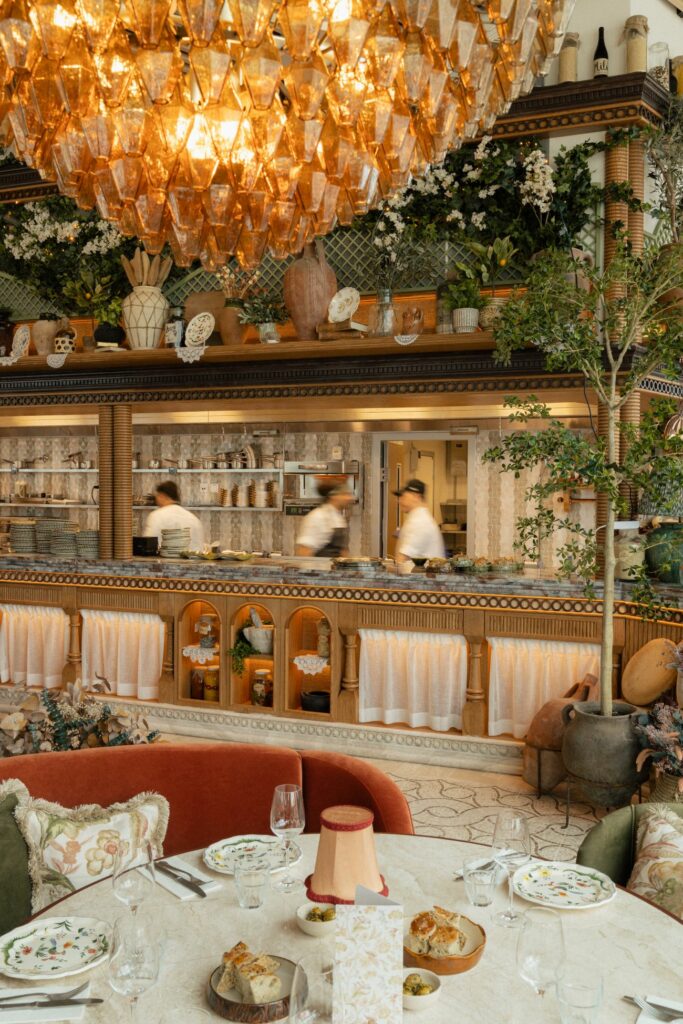
The premises themselves have been subject to change, spaces have been added and removed. Sturehof is connected to Sturegallerian, where extensive renovations are being carried out. This has meant that the popular after-work spot Oktagonen has had to close. The food market, which was also located in the shopping centre, has instead moved into the premises that have expanded. The latest additions are Matbaren, the three private dining rooms upstairs, and a somewhat hidden outdoor seating area in the backyard, with space for a total of 400 guests.
Personally, I like that there are different areas to discover, and the opportunity to find that corner where you feel most at home is an adventure in itself. Those who want to be seen like to settle down at the outdoor seating area where the chairs are arranged in a classic French brasserie style. Champagne glasses are lined up, and generous wine glasses with exquisite Chablis are a given, whether it's a weekday or the weekend. There's always something to celebrate.
Today, it is still a living cultural scene and the passion for food shines through, for example, through self-produced ingredients.
Back in place
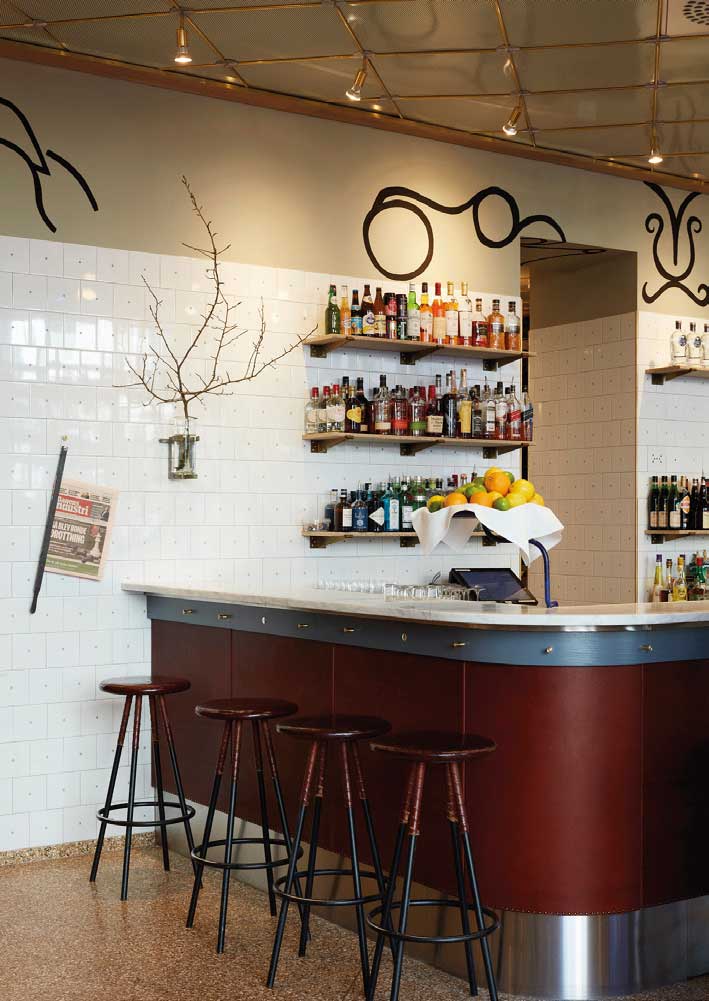
The Matbaren (Food Bar) is also new, and is located to the right of the ”regular” Sturehof, where you still today dine under Jonas Bohlin's tulle skirts. The Matbaren is part of the new Sturehof, which has evolved over six years of planning and renovation. Stureplan 2 is the address, and it was precisely here that Malta opened in 1887. To manage a culturally historic part of Stockholm is an incredible privilege, but also a responsibility. With the new opening, I want to ensure Sturehof's legacy as the obvious meeting place for culture and joy in Stockholm, for at least another 100 years, says PG Nilsson, founder of Sturehof and the Svenska Brasserier group.
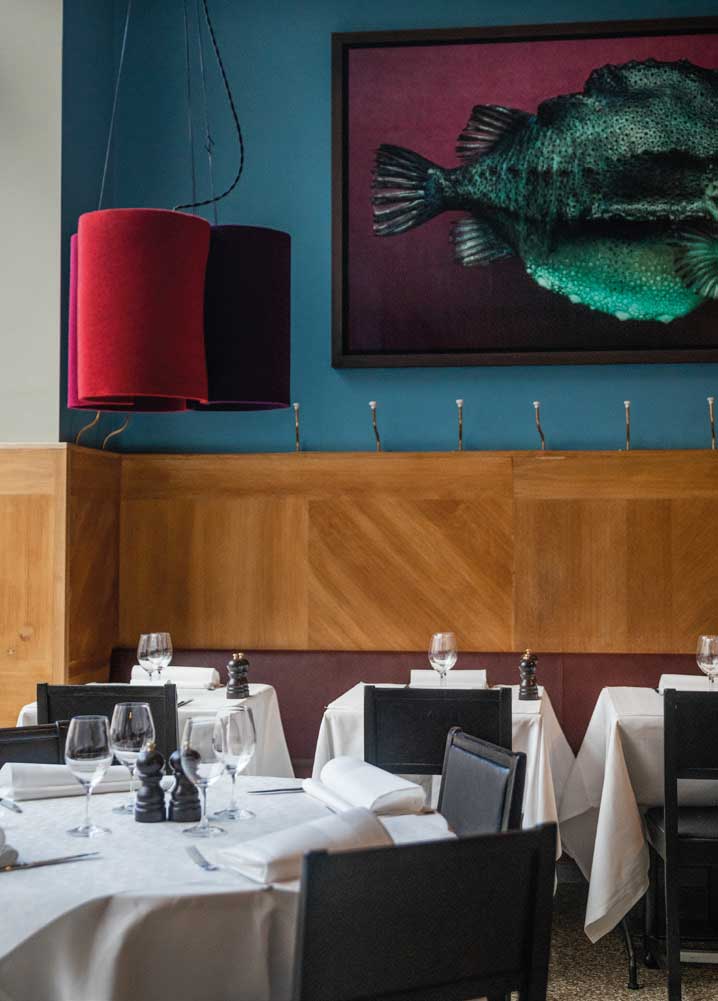
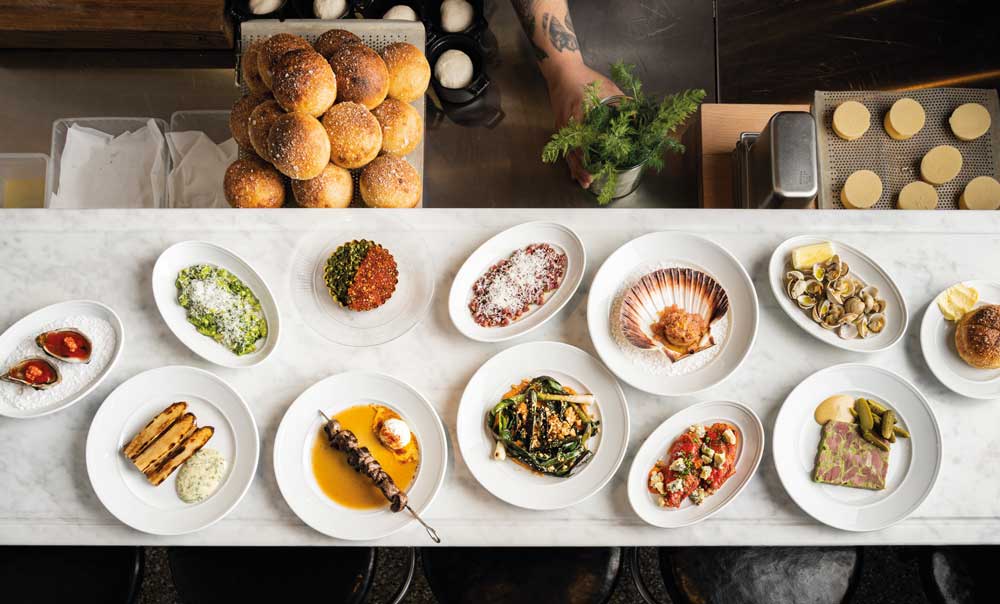
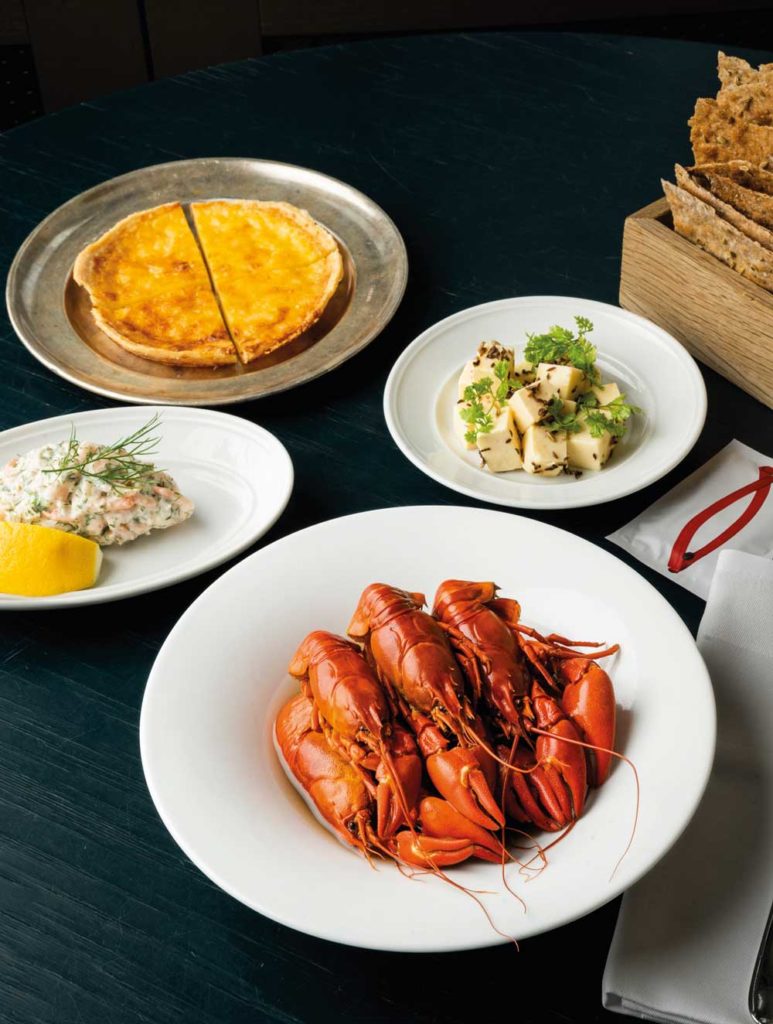
Today, lunch and a small tour of the new premises are on the agenda. We choose to sit indoors. The menu is generous and updated daily. Seasonal ingredients are a given, and currently, for example, creamed chanterelles on butter-fried toast are served. The seafood platter is, of course, mandatory – and a sure bet when it's time to celebrate. Every day, three different Plat du Jour are also served: dishes of the day, meat, fish, or vegetarian. We order a fish Wallenberg each with green peas, brown butter, and mashed potatoes.
"Hope it tastes good," says our waiter in passing.
Martin, who I'm having lunch with today, reacts:
– They can't just hope it will taste good, he says. They should know it tastes good.
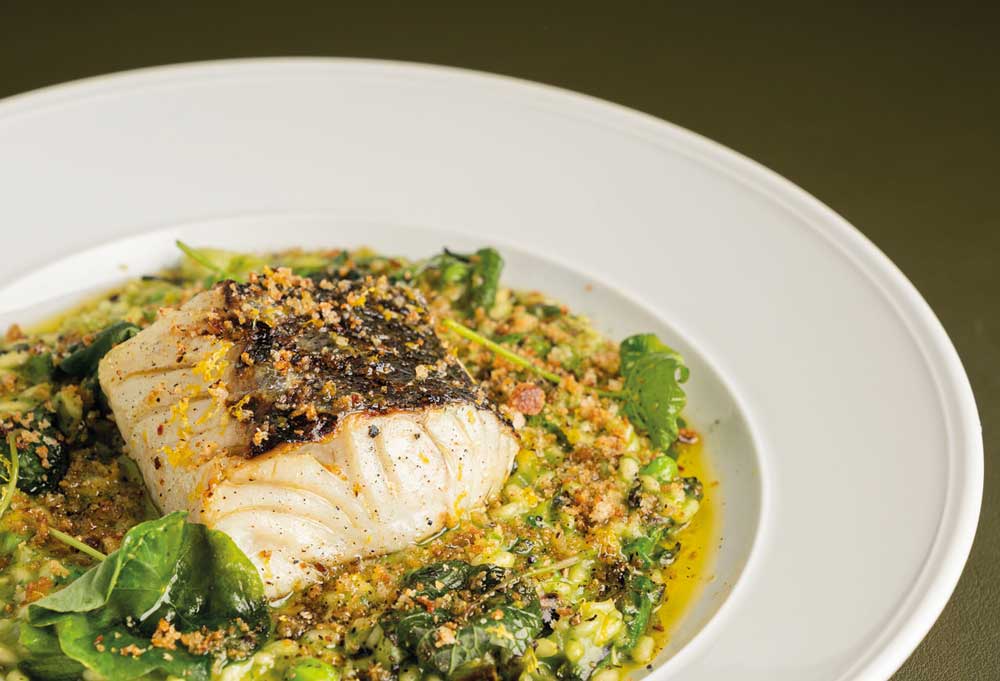
We have a fun conversation about this, but also conclude that, yes, it tastes good. And rightly so. The ingredients are of excellent quality and the chefs know their stuff. The price for a Plat du Jour is 245 SEK, and I would say that it's a really good price for an hour or two here. Yes, the longer you linger, the more expensive it gets, of course. A Plopp praline for 50 SEK might not be entirely good value, but it is delicious.
Chains of salons
The food market is impressive, selling, among other things, home-grown vegetables and high-quality ready-made dishes. You can also taste here and have a glass or two. We take the stairs up and look out at the outdoor seating area, which today is completely full. Here you can sit a little more privately but still with the same good food and professional service. But most interesting are the three banqueting rooms, the Salons, which are located in a row, and where doors can be opened or closed depending on how large a room is needed. The Hedengrens bookshop was previously located here, and their books on stylish bookshelves are part of the interior design. That the books are also for sale is fun, I think, a true advocate for reading more!
Without purchasing a book, I thank you for your visit and look forward to the next. The ongoing transformation is estimated to be completed in 2026, but there is still everything one needs to enjoy the good things in life.
Sturehof
Stureplan 2, Stockholm