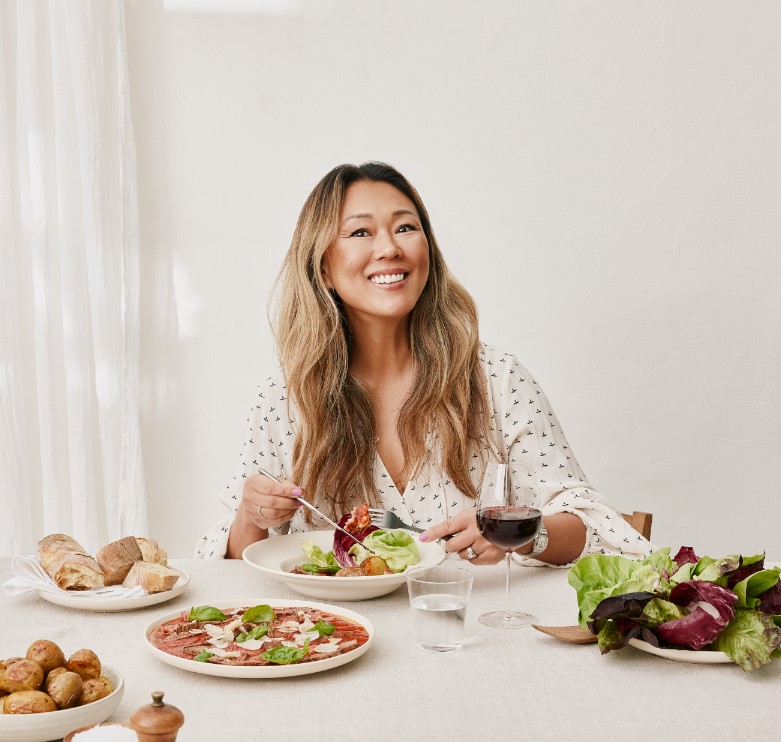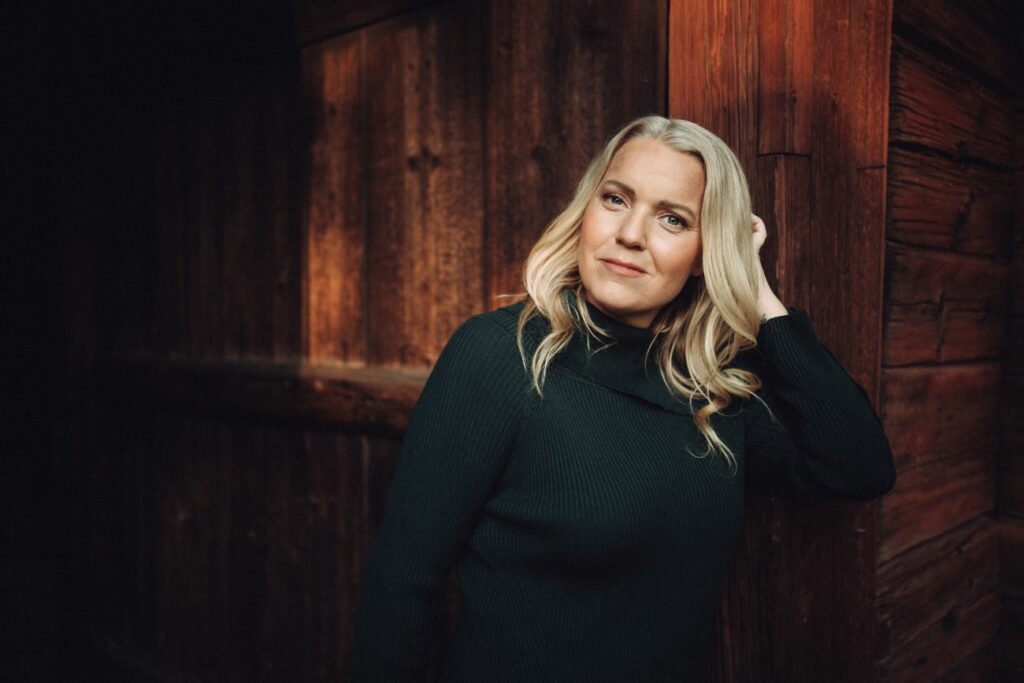



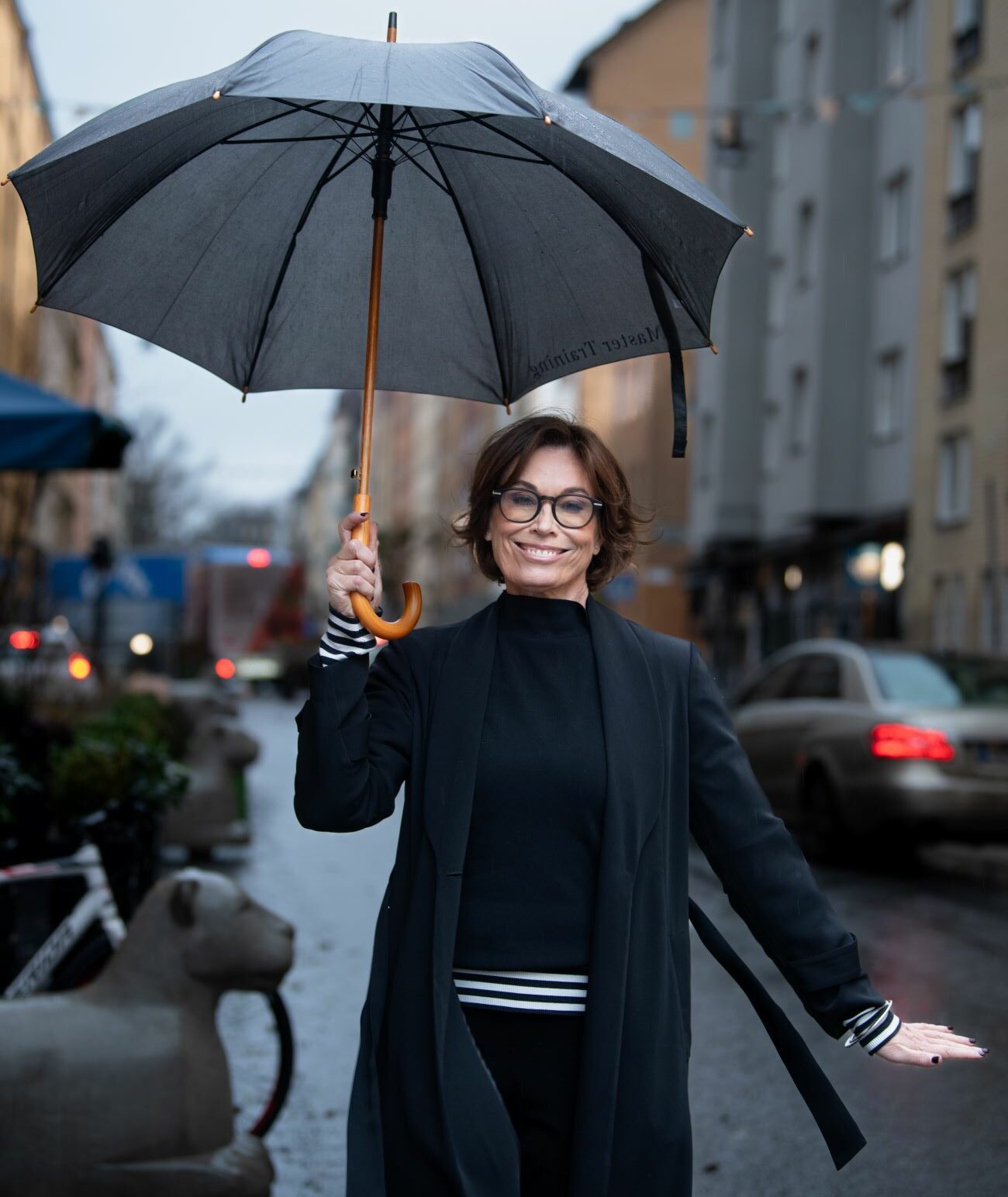
She has judged perky TV presenters for a decade, investigated the scent of roses, and taught generations of sommeliers to listen to their noses. Mischa Billing is not only one of Sweden's foremost taste experts – she is also the rare type who can make the complicated enjoyable.
TEXT HEDVIG VON MENTZER PHOTO HANNES SÖDERLUND
For me, it's precisely the immeasurable that's interesting – the experience, the sensual, the poetry. I'm thinking of conversations between people who truly know something.
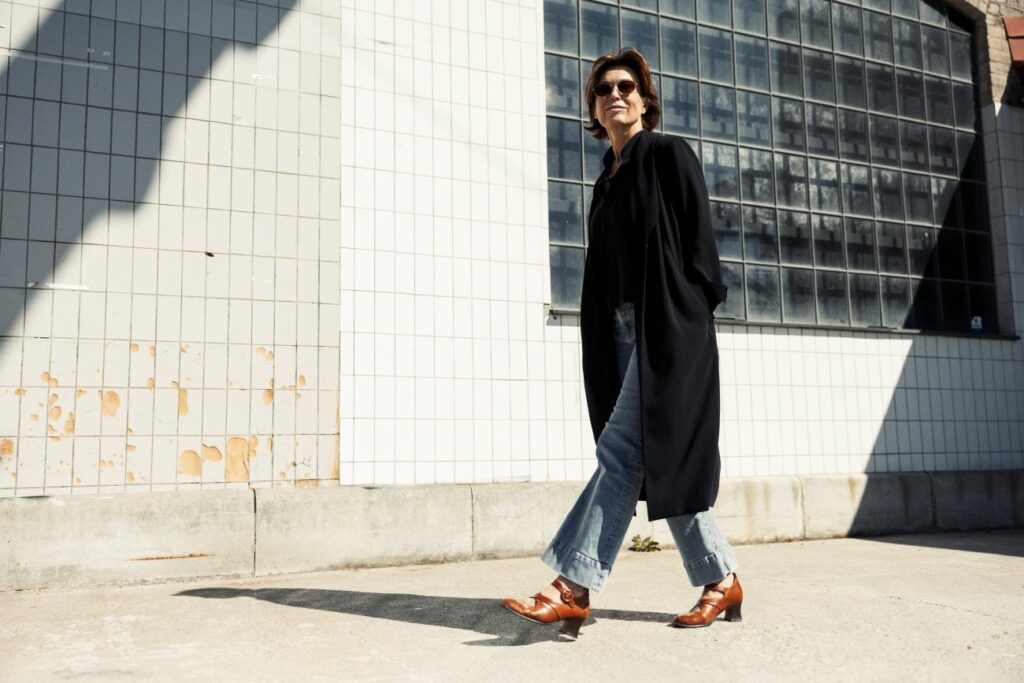
There are people who seem to have been born with exceptionally sharp senses. Mischa Billing is one of them. Not in any mystical way – she is careful to point out that taste and smell are things that can be trained – but in her company, one begins to suspect that her nose registers things that most of us never even consider. Mischa grew up in Lund, but it was her time as an au pair in Paris that shaped her senses and future career. She trained as a sommelier and worked in fine dining restaurants such as Era Ora in Copenhagen and Petri Pumpa and Grand Hotel in Lund.
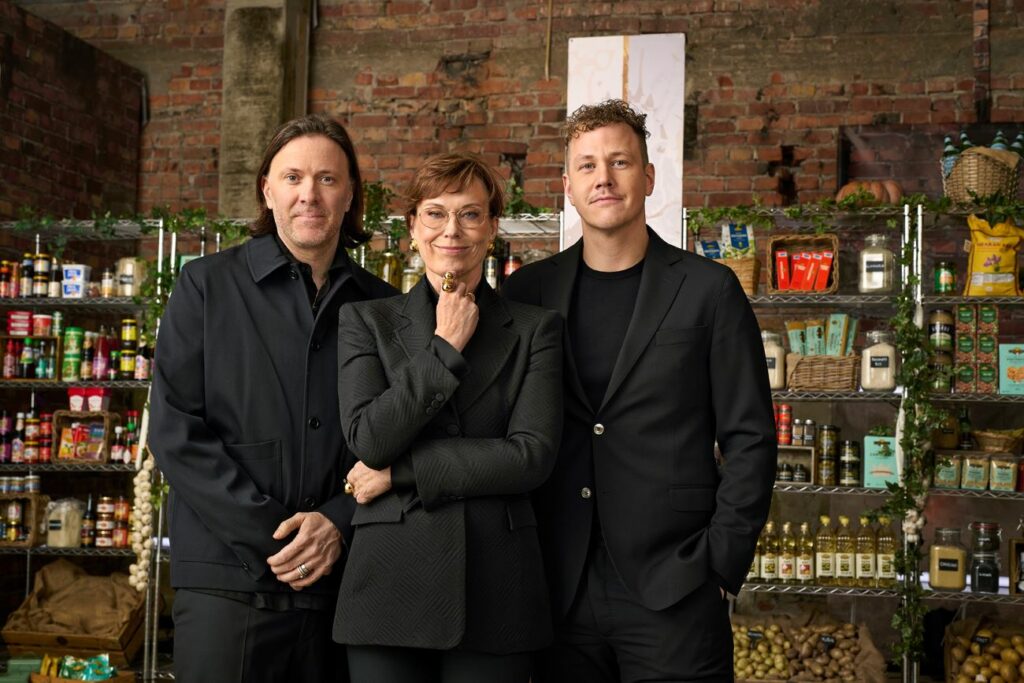
It was during these years that the specialisation took shape – not just the food, not just the wine, but the combination of the two. That meeting between the plate and the glass, where the right pairing can elevate a meal to something that lingers long after the coffee has been drunk. In 1994, she began appearing on the TV programme Aspegren mitt i maten, where, for twelve seasons, she talked about precisely this – food and drink in combination. Today, food and wine pairing is practically mainstream; in the nineties, it was still quite unusual, at least on television. In parallel, she built a career in the world of sommeliers, a career that is hard not to be impressed by.
Chairman of the Swedish Sommelier Association, Secretary General of the Association de la Sommellerie Internationale (ASI), and today
presides over the Swedish Wine Academy. But despite the name, the academy is not just about wine, but about conversation.
I don't talk much about ingredients, but about flavour, texture, variety. It's possible to cook really good food with simple ingredients.

– Some people ask, ”What is the purpose, really? What is this conversation meant to be?”. When I say it's “just” a conversation, I notice people lose interest. For me, it's precisely the immeasurable that is interesting – the experience, the sensual, the poetry. I think of conversations between people who truly know something – like Academy members Maria Schottenius and Christina Matsson. I might not understand everything, but it's a privilege to listen when they connect worlds I don't know. To be able to enjoy being in a room where something is happening, even if you don't have complete control. I can listen, observe, and discover a world I didn't know existed. A world that is all too familiar for Mischa Billing at the Restaurant and Hotel Academy in Grythyttan.
For 26 years, she held a lectureship in Food Science there. She worked as a teacher and researcher, with a particular focus on establishing a bachelor's degree programme for sommeliers. This is a programme she sees as one of her most important contributions – to give the sommelier profession an academic home, to show that there is a depth to the craft that deserves
being studied seriously. But Mischa wasn't content with teaching about taste. She wanted to understand it. Under the auspices of the Swedish Research Council's research projects Nanoform and Haptica, she has researched how people experience smell and taste and how we communicate these experiences. In collaboration with Konstfack University College of Arts, Crafts and Design, she delved into haptics – the study of the body's physical sensations – and applied it to what interests her most: what happens in the mouth and nose when we eat and drink. This is research that may sound abstract, but in practice, it's about something very concrete: how we can better understand and describe what we experience every day.
For most, Mischa Billing is best known as a judge on TV4's Swedish Masterchef, where she joined in 2015. Her role has become one of the show's fixtures – a voice with gravitas, but without unnecessary harshness.
The development she has seen over the years in the programme is indicative of how the cooking culture in Sweden has changed. Today's contestants are more confident with their spices, more willing to bring flavour palettes from all over the world into the competition kitchen. The most common mistake she sees is the classic one – wanting to do too much. As a judge, Billing has adhered to the principle of motivating her assessments to make it easier for the contestants to learn something.
– Yes, and I feel I've been part of a development there. I don't talk so much about raw ingredients, but about taste, texture, variety. You can cook really good food with simple ingredients. There's a common thread running through everything Mischa Billing has done: the conviction that taste and smell are not reserved for the initiated. That they are senses we all have but that most of us have never truly learned to use. She is clear that it is possible to train them up.
– Ditch the prestige. Feel free to start with something you don't like. Ask yourself: why don't I like this? Is it too salty, too spicy, does it have the wrong texture? When you can put words to it, you'll start to understand. The harder part is what's delicious – then you just want to enjoy it. But you can also pause there: what is it that makes it so good? Is it the taste or the context?
If you want to understand how Mischa Billing thinks, perhaps the book *Rosens doft* (The Scent of the Rose) from 2017 is the best starting point. It's based on seventeen years of notes from Fredriksdal's rosarium in Helsingborg. A patient, almost meditative project where she documented how roses smell, how the scent changes with weather and season, with time of day, and with the age of the flowers. The notes differ from when she first started documenting them. In the beginning, it was
the single word, then it became sentences with poetic similes that conjured olfactory images of the different roses.
– I realised that those long lists of aromas were actually like colour shades. Like when an artist talks about the exact shade of yellow they are using. Of course, it's useful in a practical sense, but to get more people to really
"Understanding is about describing nuances, not just listing things," Mischa argues. Training yourself to taste, smell, and also describe what you experience is a pleasure for those who reflect on it. That there is craftsmanship behind every bite and every sip that is worth respecting – and understanding. Mischa Billing has dedicated her entire professional life to demonstrating just that.
THREE TIPS
- The fastest way to progress in cooking is when you formulate things for yourself.
- What is it that makes you think something is tasty or not tasty?.
- Wine is what changes most in combination with food, so choose the wine first and match your cooking to the wine.
Vad är det mest underskattade köksredskapet?
A sturdy and good chopping board, so you have a nice work surface. If you have that, the rest of the cooking will be a breeze. Yes, and having a proper corkscrew.
MISCHA BILLING
Age: 60 years
Family Large and motley
Bor Apartment in Stockholm and a cottage in Skåne
Make: Sommelier
Background in brief: Born and raised in Lund. Trained as a sommelier. A long career in wine and gastronomy with a focus on our experience of smell and taste and how we share it with each other.
Currently with: New season of Sweden's MasterChef this autumn.