


What does the wine trend look like for 2026? INRIKES's beverage editor Ann Fogelberg offers her own insight here, and also lets four wine suppliers chime in with their perspectives.
What we can see is that white wines are increasing, while red wines are decreasing in sales. This is a trend that has continued since last year. In terms of sales, wine sales are largely at the same level as last year, with the exception of the USA which is showing a sharp decline, largely due to the world situation.
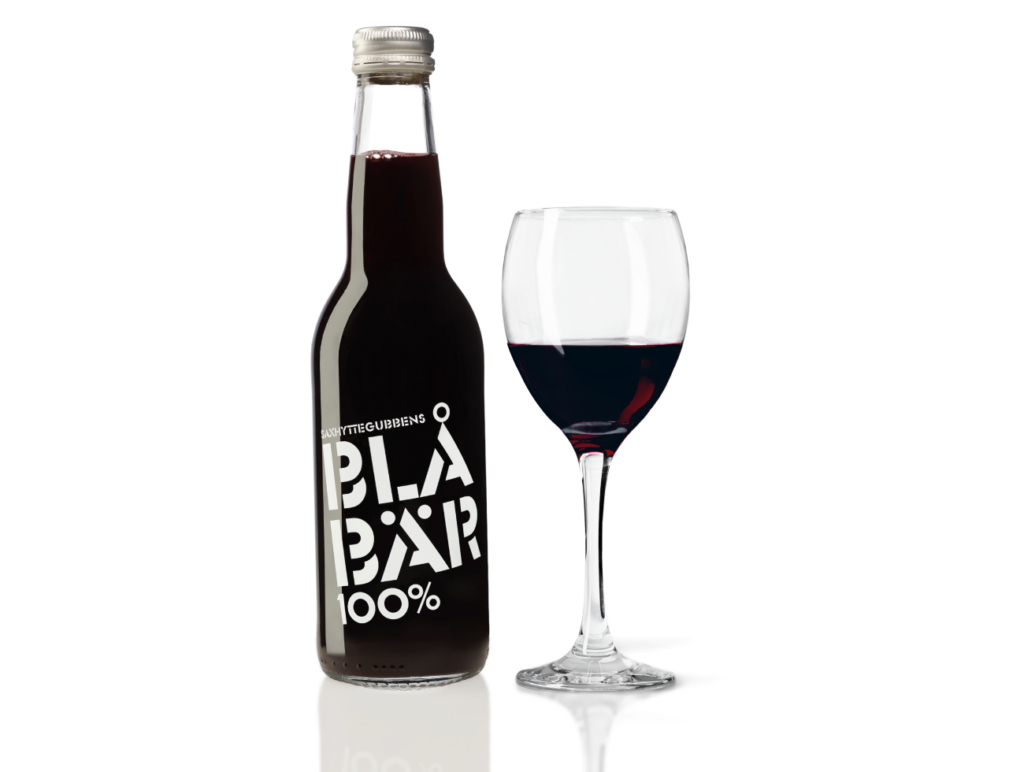
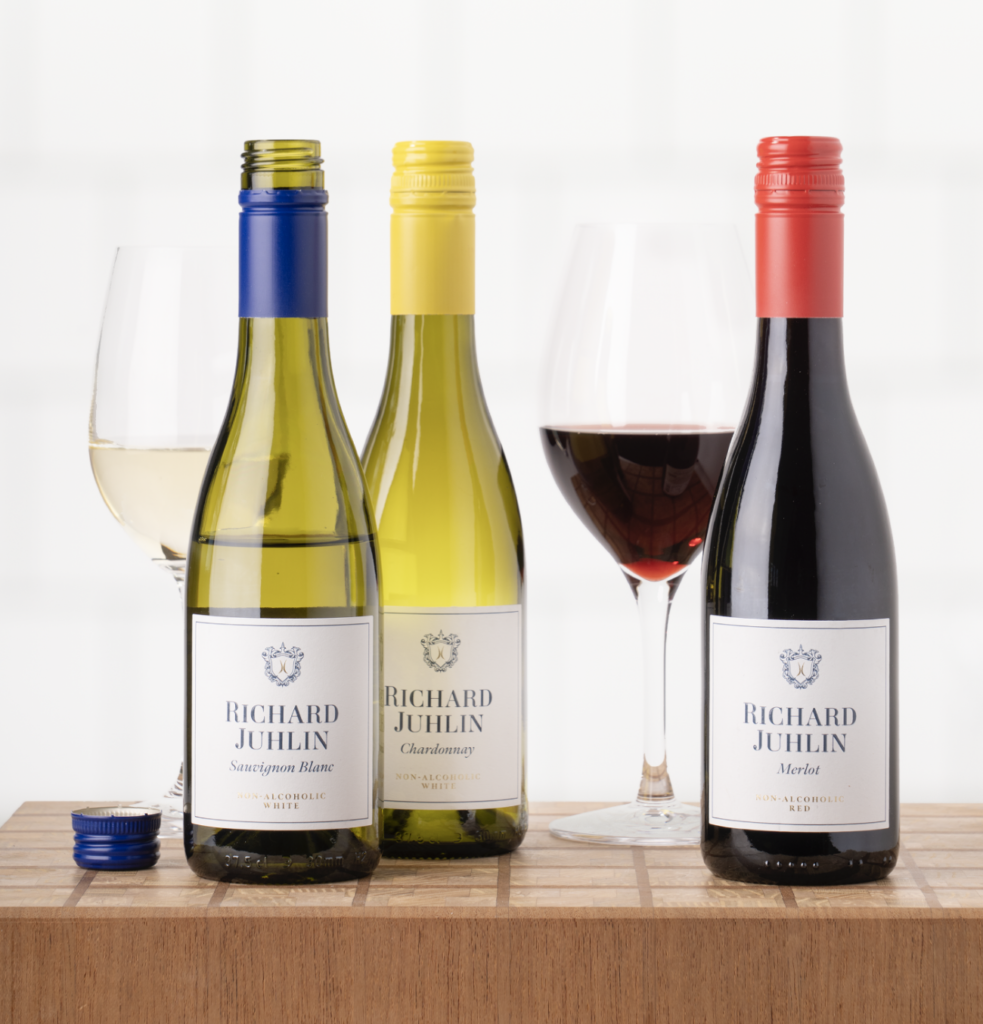
As champagne prices soar, many are opting for other wines produced using the Champagne method – such as cava, crémant or Cap Classique. What we can also see is that demand for wines with lower alcohol content, as well as non-alcoholic alternatives, is increasing. We want to live healthier lives, which also leads to a reduced alcohol intake.
THIS YEAR'S AWARDS ARE IN EUROPE
Bierzo in northwestern Spain, a region known for its wines made from the local blue grape Mencia, which produces both elegant and complex wines, was named Wine Region of the Year 2026 by Munskänkarna. And Gambero Rosso in Italy named Alejandro Bulgheroni Family Vineyards as Winery of the Year 2026. Not surprising considering that Italy, France and Spain still top sales.
– In the sales statistics, you can see that Italy is the country that sells the most wine. 26.7 % of all wine sold in 2024 came from Italy, and the country has been the Swedes' favorite for several years. France is second with 19.1 % and Spain third with 15.6 %. This is mainly because Italy is the largest origin when it comes to red wine, which is the largest category in wine. If we look at white wine, France is in the top with 19.3 %, Germany is second with 14.9 %, and Italy third with 11.8 % of sales, says Teodor Almqvist,
Press officer at Systembolaget.
BUBBLING ITALIAN
– Sparkling wine remains popular, where bubbly is not only perceived as a party drink, but we are seeing more occasions and uses, including with food. Demand is increasing for quality and complexity. We are also seeing a clear trend that wines in the higher price ranges, over 150 kronor, which are produced according to the traditional method, are increasing strongly. These wines fill a gap between simpler bubbly and Champagne and are part of the premiumization we are seeing in general. The younger generation drinks less but better. In this price range you can find high quality at a reasonable price. Ferrari from Trentodoc is my suggestion for sparkling wine,
says Carin Widolf, product manager at Ward Wines. Ferrari was founded in 1902 by Giulio Ferrari who had the ambition to produce high-quality sparkling wine from the alpine vineyards on the southern slopes of the Trentino mountains in the Trento region. The lakes and altitudes affect the ripening of the grapes and provide wonderful freshness and complexity. Winemaker Cyril Brun has a past from Champagne but saw the potential and the fine conditions in the region and took his family and moved to Italy to further develop the sparkling wines from Ferrari. The wine is made according to the traditional method, which means that the bubbles are formed through a second fermentation in the bottle. Today, the company is run by the third generation of the Lunelli family.
Another strong trend is the continued focus on sustainability, but with a broader perspective than just organic farming. New certifications adapted to local conditions also take into account sustainable working conditions and recyclable packaging with a lower climate impact. A wine that combines all these trends in one is Montespina Verdejo from producer Avelino Vegas.
COMPLEX SPANISH
– White wine continues to increase in sales while red wine continues to decrease, both in Sweden and around the world. I believe that trend will continue in 2026. Crisp, fresh whites, aromatic, affordable whites
wines with a wide range of uses, preferably from classic wine regions in Europe and with a local touch. Another strong trend is the continued focus on sustainability, but with a broader perspective than just organic farming. New certifications adapted to local conditions also take into account sustainable working conditions and recyclable packaging with a lower climate impact. A wine that combines all these trends
in one is Montespina Verdejo from producer Avelino Vegas. A classic wine from Rueda in Spain, made from the local grape variety Verdejo, sustainability certified by Sustainable Wineries for Climate Protection and
bottled in a lightweight bottle that weighs only 410 grams, explains Magnus Eklöf, Wine Director at Wine World. Avelino Vega's bodega is located in the village of Segovia in Rueda, between the villages of Penafiel and Pesuera de Duero. In
Today, the third generation of the Vegas family works in the company, and Avelina's granddaughter Cristina Vegas is the head of the house.
winemaker. After destemming, the grapes are allowed to cold macerate for a short period before being gently pressed. The must then ferments in temperature-controlled tanks for 20 days at low temperature. The wine is then aged on its lees for a period of time to give extra complexity before bottling.
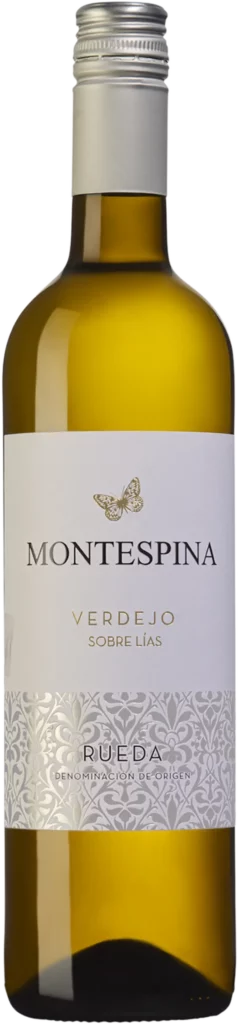
Montespina Verdejo 2024
No. 2017901, 99 SEK/750 ml
Grapes: 85% verdejo, 15% sauvignon blanc
Taste Fresh and fruity with hints of apple, papaya, pineapple, citrus with a creamy texture.
Fits Fish or chicken dishes as well as vegetarian dishes.
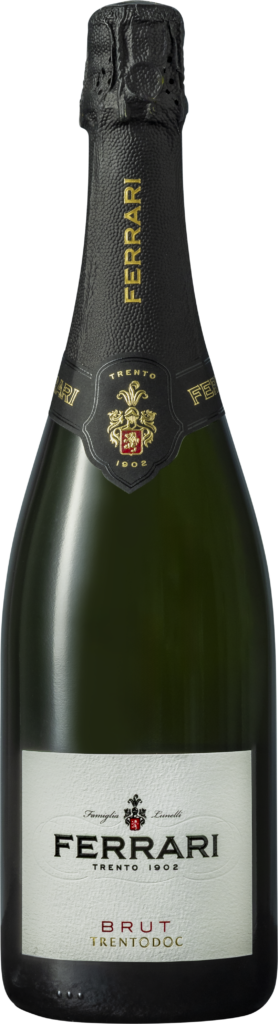
Ferrari Brut Organic
No. 772101, 189 SEK/750 ml,
organic
Druva Chardonnay
Taste Fruity, fresh taste with notes of apple and citrus, as well as a slight nuttiness.
Fits Aperitif or with fish and seafood dishes and salads.
Our prediction is that we will see a deepening interest in traditional wines, which can perhaps be compared in a way to what we in the food industry call comfort food.
FRESH ITALIAN
– After many years of great curiosity about new wine styles such as odd grapes or origin and natural wine, we see signs that more classic wine styles are gaining ground in 2026. In a time where uncertainty is everywhere in our world, it feels safe to return to classics. Our prediction is that we will see a deepening interest in traditional wines that can perhaps be compared in a way to what we call comfort food in the food industry. You know what you are getting and can sit back and enjoy. I would choose Zenato Valpolicella Classico Superiore from
Italy, says Clara Grabe, Senior Brand Manager at Provinum. Sergio and Carla Zenato fell in love
in the area around Lake Garda and established itself there as early as 1960. Since then, the Zenato family has created a tradition with a focus on craftsmanship and quality for their wines. With great care and an enormous respect for the land and its terroir, Zenato delivers year after year at the absolute top. The wine consists of the grapes corvina veronese, rondinella and corvinone, The name Superiore can be obtained if the grapes have a slightly higher degree of ripeness at harvest than grapes for "regular" Valpolicella and if the wine has been aged for a certain period. Today, the winery is run by Carla and her children Alberto and Nadia.
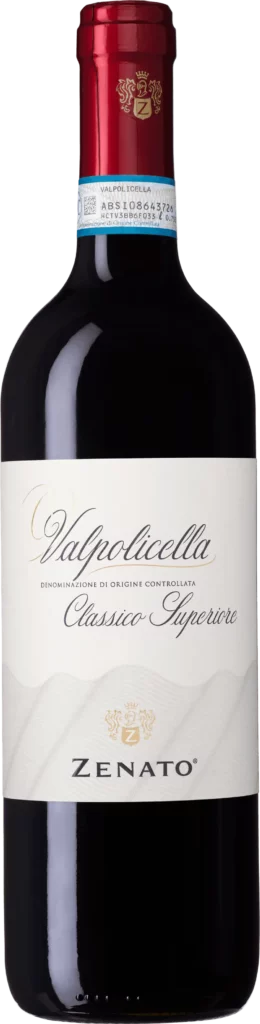
Zenato Valpolicella Classico Superior, 2022
No. 123850, 159 SEK/750 ml
Grapes: 85% corvina veronese, 10% rondinella and 5% corvinone.
Taste Fresh with notes of cherry, chocolate, tobacco and Provencal herbs with a light barrel note.
Fits Tasty dishes made from dark meat such as beef or lamb.
LOVELY FRENCH
– In 2026, several of the major trends we have seen in recent years will continue – but with a clearer direction. Elizabeth Pezon, Producer Manager at Johan Lidby Vinhandel highlights these five trends:
1. The trend towards lower alcohol content and alcohol-free is becoming even stronger. Consumers are looking for balance, health and drinks that are suitable for more contexts.
2. Natural wine and minimal intervention are now considered an established category. The focus is on transparency in production, and more producers are focusing on clean, stable and quality-oriented wines.
3. The desire to discover is increasing: consumers want to find new regions and unusual origins.
4. Sustainability and packaging in focus – sustainability is no longer a trend, but a requirement.
5. Dessert wines are making a comeback – one of the most unexpected trends: dessert wines are back in the spotlight. Consumers are looking for richness of flavour and luxury in small doses. 2026 is characterised by sustainability, innovation and curiosity where both tradition and experimentation find a place. One wine that I would like to highlight is Terre du Sud 2024 from Château de la Liquière, a wine that represents several of the points above: an eco-certified wine in a lightweight bottle and from a fairly unknown appellation AOP Faugères in Languedoc, carefully made by real, true winegrowers, says Elizabeth Pezon. Château de la Liquière was founded in the 1960s when Claudie and Bernard Vidal began bottling wine from their family estate under their own name. The family had owned vineyards in the village of Cabrerolles since the 18th century. The grapes for the wine come from the estate's own vineyards in Faugères, north of the city of Béziers in Languedoc, which are mostly located on steep slopes between 150–350 meters in altitude with southern exposure. The grapes are harvested by hand and completely destemmed. The grape varieties are allowed to ferment separately in fermentation tanks and then matured in steel tanks for eleven months before the final blend. The three dots on the bottle label represent the third generation, where the winemaking trio François Vidal, his sister Sophie and her husband Laurent Dumoulin are responsible for the production.
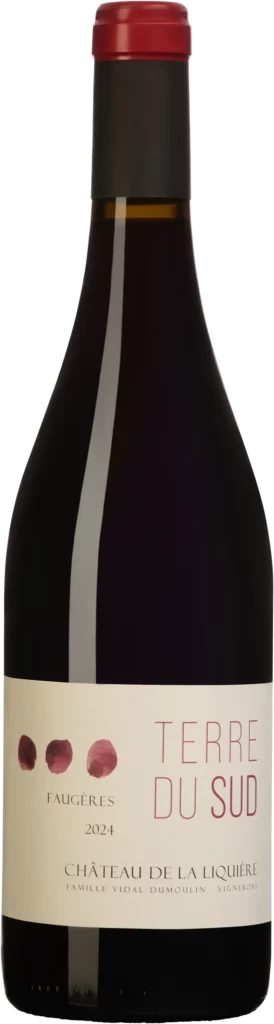
Terre du Sud Château de la Liquière, 2024
No. 235201, 129 SEK/750 ml, organic
Grapes: 40% syrah, 40% grenache, 10% carignan and 10% cinsault.
Taste Fruity with notes of cherry, raspberry and fresh herbs with a spicy touch.
Fits Pork or lamb dishes and vegetarian dishes