


As a result of the plastic bag tax in 2020, plastic bag consumption in Sweden has decreased significantly. We have gone from using 90 to 17 bags per person per year. Now the tax has been removed and there is a lot to think about. Keep Sweden Clean offers some tips here.
BY THE EDITORIAL OFFICE
Which bag is the best bag?
– The best bag is the one that is used several times and until it is worn out. Then it should be recycled. For carrying food or other things home from the store, a reusable bag is preferable.
Which bag is the worst bag?
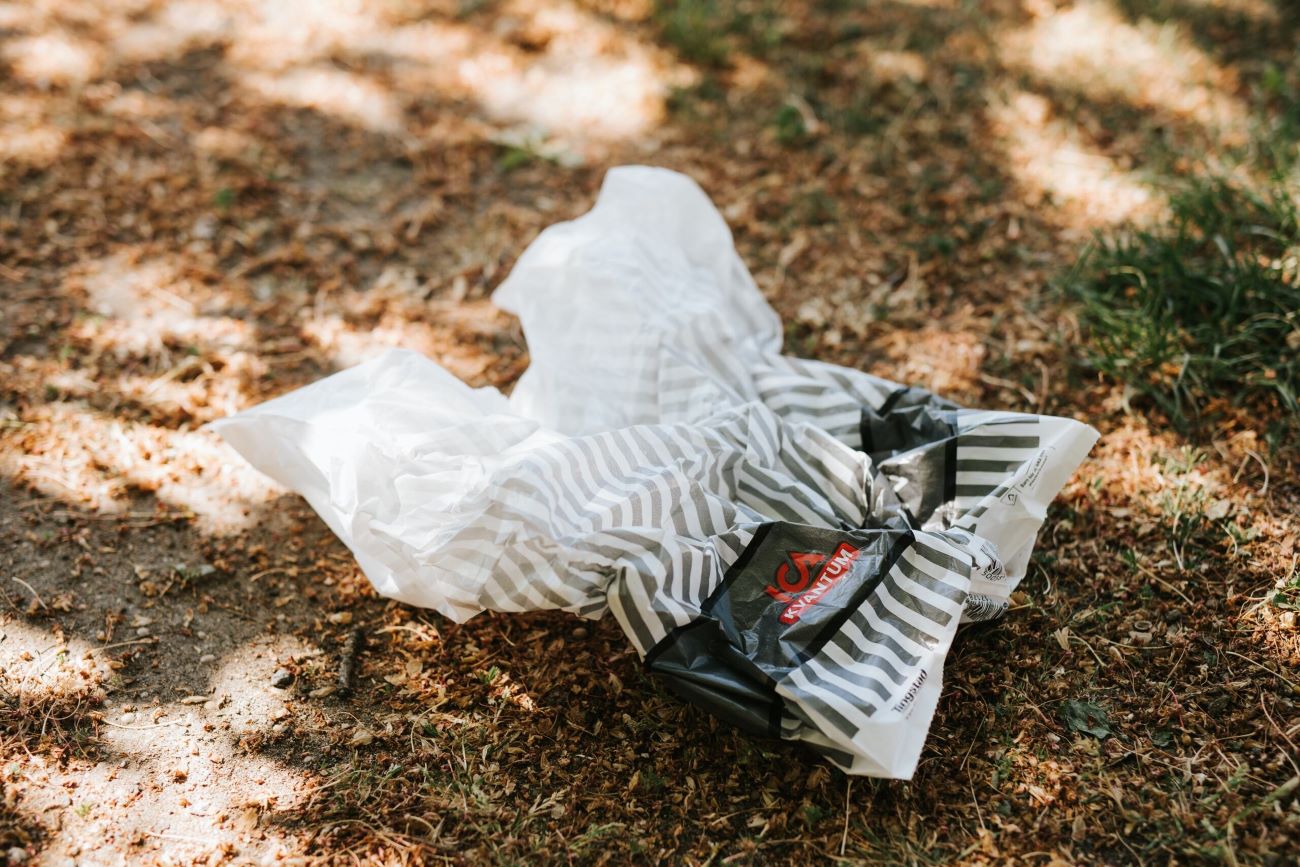
– The worst bag is the one that is used only once before being thrown away, in the worst case in nature or the ocean. In terms of littering, the plastic bag is always the worst bag.
Paper or plastic, what are the advantages and disadvantages?
– A plastic bag is often durable, easy to carry, and can be used many times. Plastic is usually made from oil, which contributes to greenhouse gas emissions and dependence on fossil fuels. If the plastic bag becomes litter, it takes hundreds of years to break down in nature and contributes to microplastics in ecosystems. Paper bags are often less durable and can be reused a few times before they break down. Paper comes from trees, a renewable resource, if the forest is managed sustainably. If the paper bag becomes litter, it breaks down faster in nature.
Which bag should I use for my household waste?
– For household waste, it is good to use waste bags on a roll, preferably those made from recycled materials. They use less plastic to manufacture.
Does a bag made of bio-based plastic, such as cornstarch or sugarcane, break down in nature?
– No. No matter what a plastic bag is made of, they are still plastic bags, and they cause
as much damage as any plastic bag if they end up in our forests, lakes or oceans. Can I put a compostable/biodegradable bag in the food waste?
– No. In Sweden, food waste is collected to make biogas, and then improperly disposed plastic can cause major problems in the process. So-called compostable plastic bags should be thrown away in a burnable, not
in food waste.
Is a bag made of sugar cane or cornstarch more more environmentally friendly than a regular plastic bag?
– A bag made from sugarcane or cornstarch, so-called bio-based plastic, may be better in terms of resource use because these are made from renewable raw materials. But if the bags end up in trash, they are just as bad as any plastic bag. Many people mistakenly believe that bio-based bags break down quickly in nature, but that is not true.
ABOUT PLASTICS
Traditional plastics: Mainly made from fossil fuels. Often made to last a long time, very difficult to break down once they end up in the environment.
Recycled plastic: Plastic that has been recycled from plastic. May be of slightly lower quality and contain unwanted substances. Good from a resource perspective but problematic if it ends up as trash.
Bioplastics: Collective term for bio-based plastics and biodegradable plastics.
Should never be seen as a solution to the problems of littering.
Bio-based plastics: Plastics that are made entirely or partly from renewable raw materials instead
for fossil raw materials. Do not break down if they end up in nature.
Biodegradable plastic: Has a shorter shelf life. Can be made from both renewable and fossil raw materials. Requires special conditions to break down, such as industrial compost.
Oxo-degradable plastic: Is traditional plastic to which metal salts have been added to accelerate degradation. How the degradation occurs in the environment is unclear and there is rather a risk that it
is a source of microplastics in the environment.