

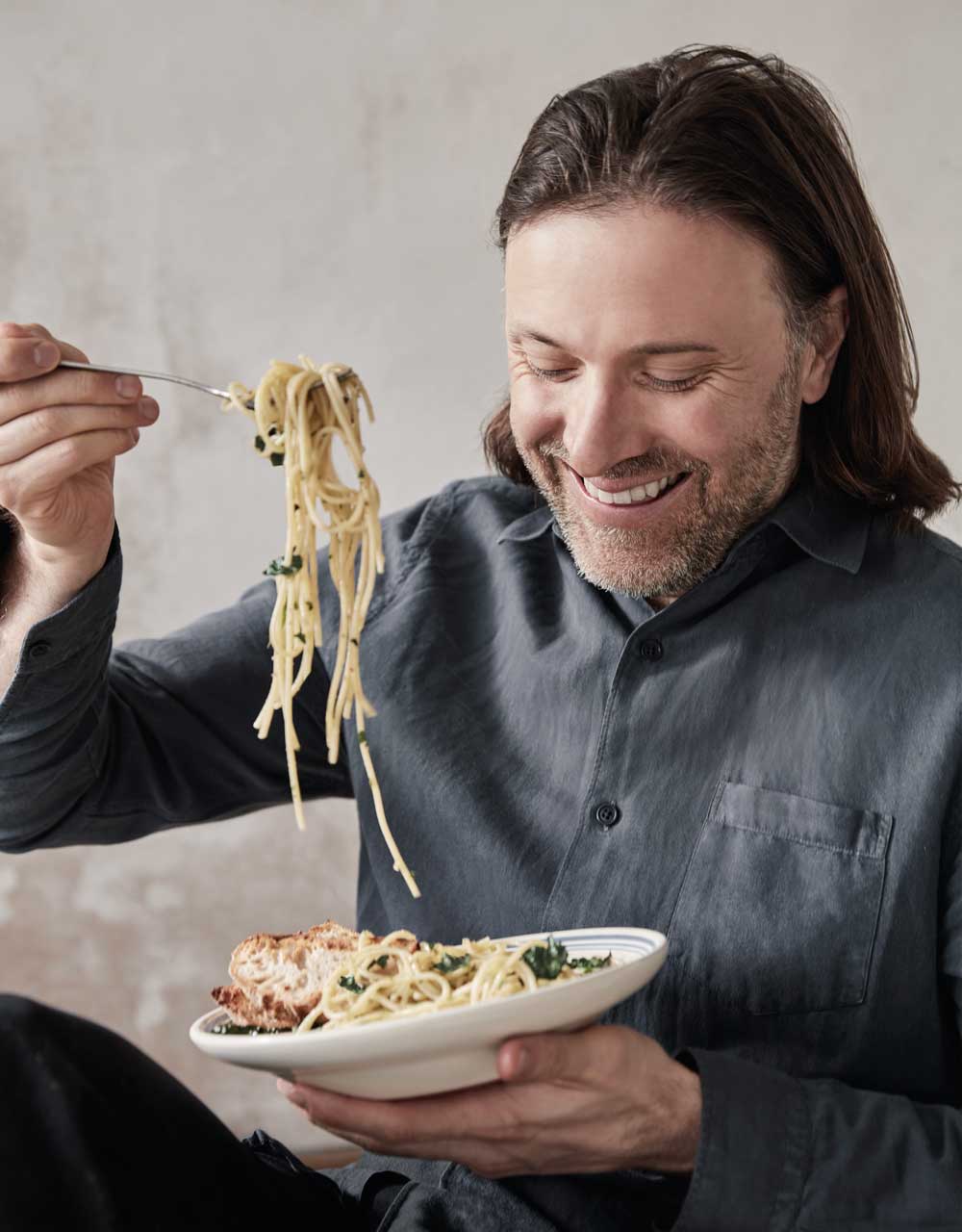
In his professional life, Niklas primarily sees himself as a cook, and it's this role he seeks even when he steps outside the kitchen – into the world of books and onto our TV screens. He also talks about how he views his role as an entrepreneur, before we finish with two delicious recipes you can make at home.
Vegetable fermentation is the most ancient way of preserving produce, and it's interesting that it faded into obscurity until relatively recently. In the 70s and 80s, there was a strong trend towards pasteurising all food; people believed it was dangerous to eat otherwise.
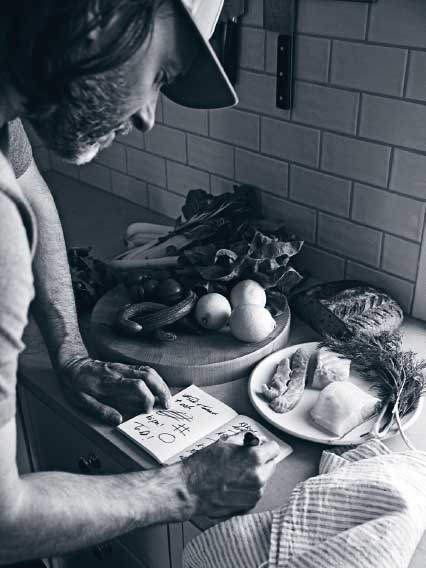
The star chef, presenter and cookbook author Niklas Ekstedt describes himself as a restless person who usually has one project too many going on. A fitting expression is that he is a man with many irons in the fire – something that satisfied diners who have eaten food cooked over an open fire at the star restaurant Ekstedt in Östermalm, Stockholm, and Ekstedt at The Yard in London can vouch for.
When INRIKES meets via Zoom, Niklas is tired. He has just returned home from a long day at work, where he prepared Christmas food for hungry restaurant guests. He is sitting in a deep armchair in front of a bookshelf packed with books and is yawning a little.
The well-stocked bookshelf is proof that Niklas has always loved to read and that the history of food is particularly close to his heart. That's why he was especially pleased that the book Happy Food, which he wrote together with science journalist Henrik Ennart, has been a worldwide success. At the end of last year, a deluxe edition was released, complete with a brand-new chapter on the latest findings and accompanying recipes that are guaranteed to satisfy both body and soul.
Was it a surprise to you that Happy Food became such a success?
- It was great fun. We were very pleased with the script ourselves and felt it was a successful project. But we never really thought it would sell that well, but it's fun.
Connecting food, history, and science is very exciting. Do you think we modern generations have forgotten a lot of the food knowledge that existed before about cooking and the health benefits of their preparation methods?
– I don't think they knew it was healthy. I think it's about a sort of pattern, that people did things this way and had been doing it for generations, but they didn't question it much. It wasn't as if there were trendy diets directly; it was what was available and what there was. It was a slow process for humankind to live longer and feel better. It's quite exciting when they've found excavations and discovered people who were very old when they died. It's clear that life expectancy has increased, but it's interesting that even in the past, people could live to be 80, 90, 100 years old.
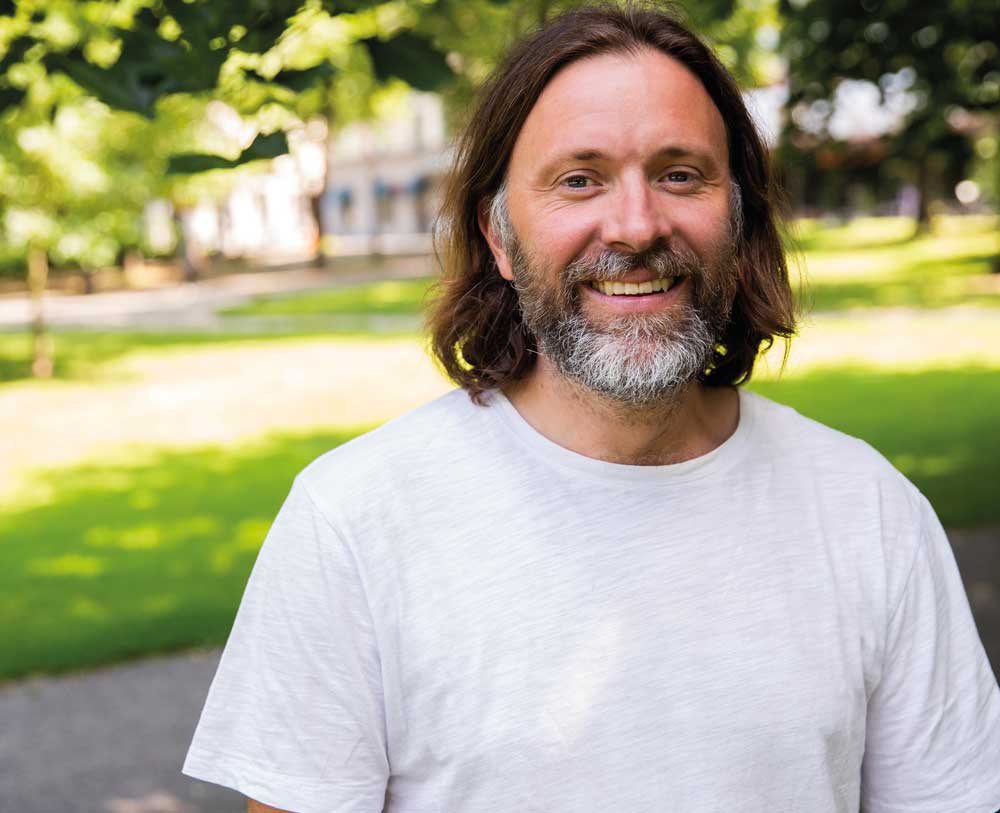
Niklas Ekstedt

Age: 44
Bor Stockholm
Family His wife Katarina, publisher and author, teenage sons Vinston and John.
Occupation Chef, restaurateur, presenter and cookbook author.
Currently With the books Happy Food 2.0, written together with science journalist Henrik Ennart, and the cookbook Hemma, which contains recipes for the home cook who wants to take their cooking to a new level without it taking too long.
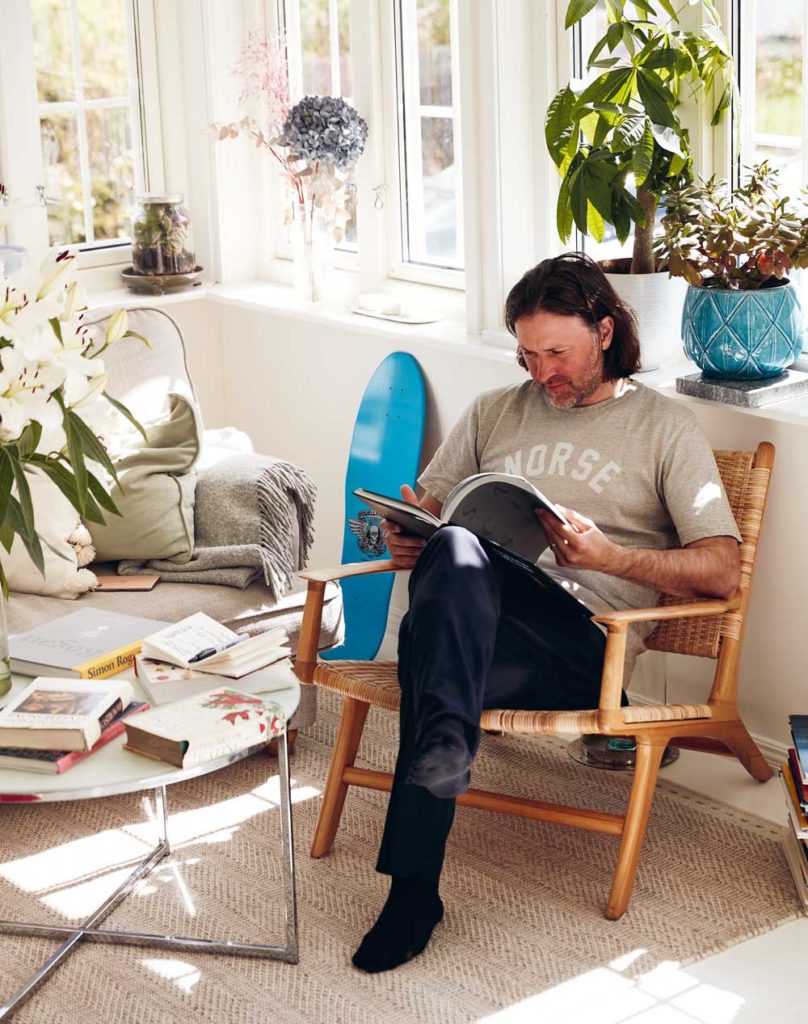
– Yes. Every day. Every hour. Not a day goes by without me thinking about it. Now the children are teenagers and they go to school in Stockholm. They do ski a lot, mind you, and enjoy being in the mountains. It will get easier when the children get older, as then you can choose to live where you want.
How do you handle your entrepreneurship? I’m guessing you have a strong team around you?
– Yes, of course you have to have a good team that really knows finance and publishers who have expertise. I don't like the word entrepreneur very much; it feels a bit worn out. Almost anyone calls themselves an entrepreneur. I wish there were a better word for it. I feel most like a chef and cook. And then, by extension, I can take that with me and act as a consultant in my area of expertise, on TV or in a book, or in various restaurant contexts. But I don't like doing things where I don't get to be a cook. For example, I wouldn't want to be on a TV show where I'm dancing or something like that. I try to stick to my subject and my profession when I'm being professional. In my free time, I might consider dancing, riding a horse, or skiing, but at work, I like to cook.
What does the future look like? What's on the agenda for winter and spring?
– Now it's important to manage what I have. I've started a lot of different projects, restaurants in Stockholm and London, TV programmes and more, so I feel I have to be professional and sort it out and deliver these projects as good products. I think it will take five to ten years of management to make it even better. It would be great to get two Michelin stars at Ekstedts, for example. We have one star but I would very much like to have two.
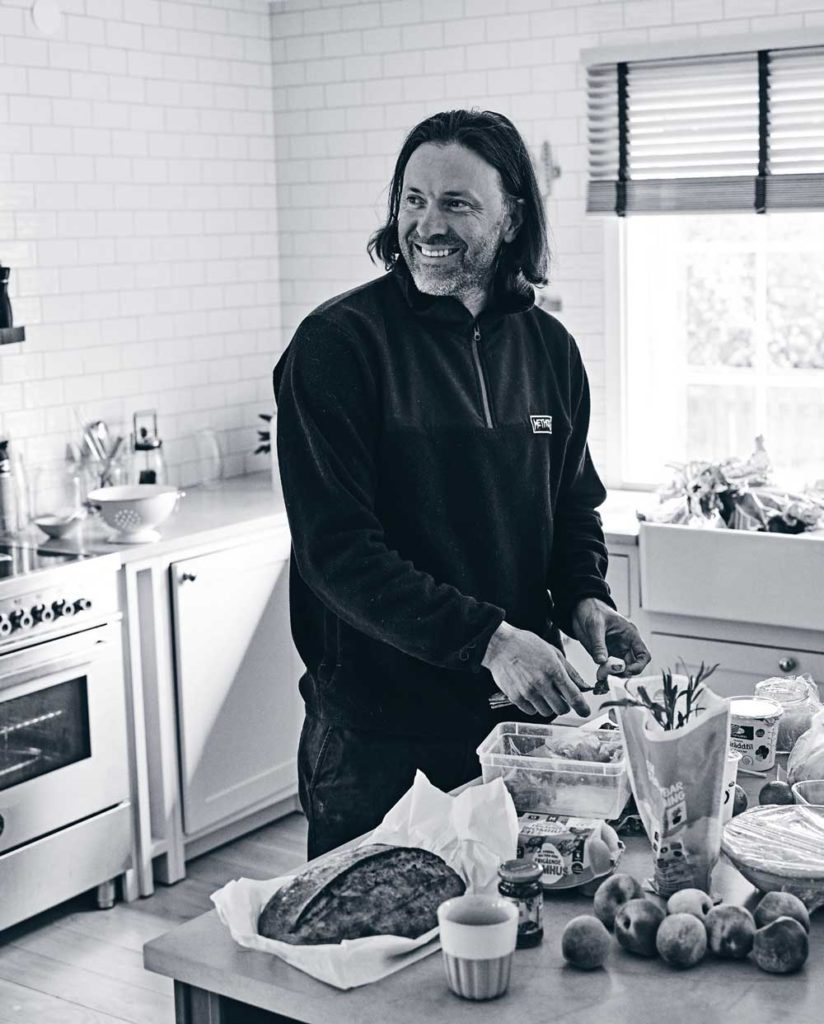
3 QUICK ONES:
Family favourite dish?
- Courgette fritters or courgette fritters. Courgette in general is very popular at home. It's fun because it's quite cheap and easy.
Is there anything you don't eat?
McDonald's.
What's the most sinful thing you eat?
- A Gott & Blandat bag sometimes, perhaps.
Do you have a strong competitive streak?
Yes, I probably have. Otherwise, I don't think I would have had the same drive as I do. I believe you are born with it. I think it's personal to always move forward and to nurture what you have to make it even better and even bigger. I believe that's very difficult to teach; I think it's something that just exists within you. You can have competence, and you can have people who manage things calmly and who can see things in different shades, and it's good for me to be surrounded by such people. But you notice when you meet someone who is truly driven to move forward. I believe many, including myself, who have similar traits get very excited by the early stages of a project. It's incredibly rewarding and fun to build a case, design a restaurant, or write the first menu. To be there on the first night, to come up with new concepts. To be involved from the start of a project, that feeling is very addictive.