


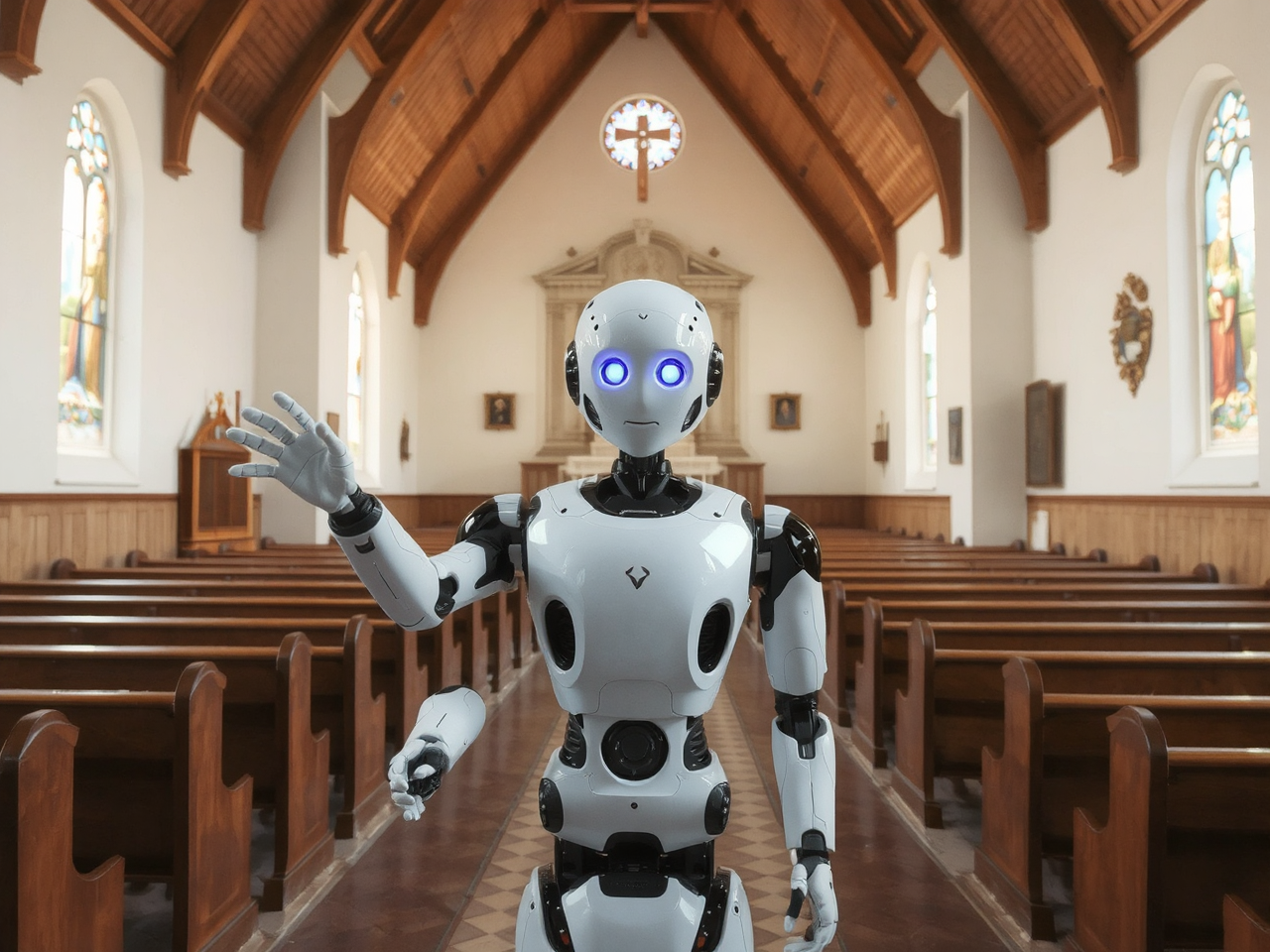
We are teaching AI to speak, think, and console like us. But can an algorithm bear our grief? Oliver Li is the priest researching what distinguishes a conversation from an encounter, and a human from a machine.
BILD AI
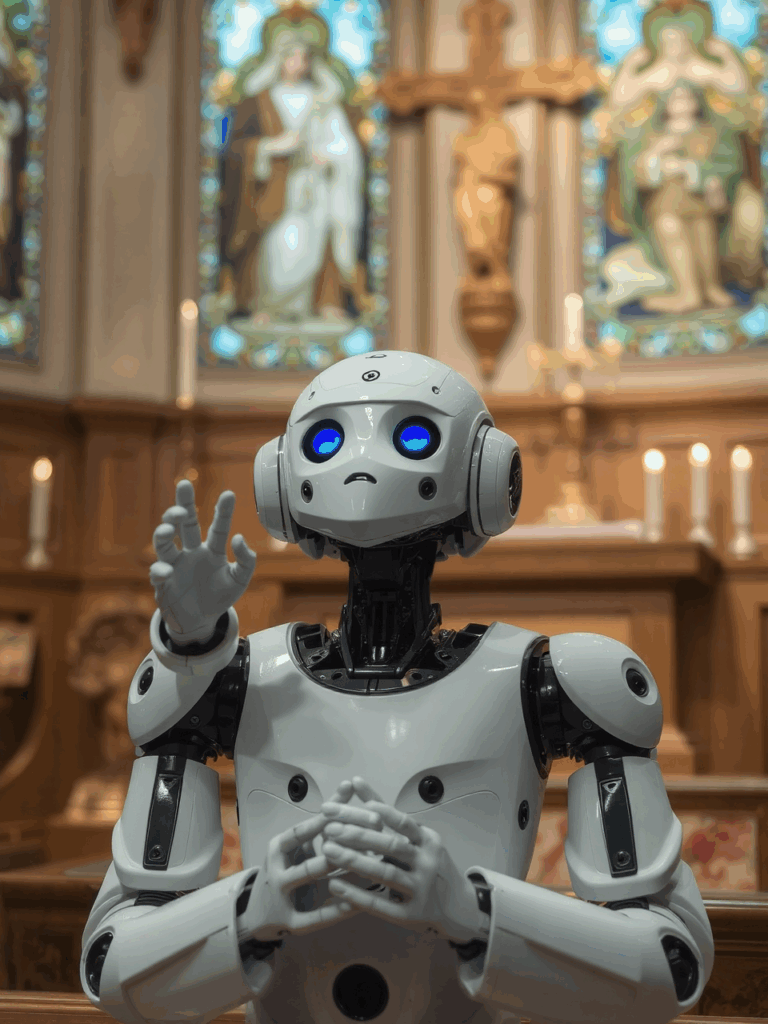
AI has started writing prayers, holding services, and suggesting words of comfort. But in Forsa Church in Hälsingland, it is still a human who stands at the altar.
– AI is getting better and better at sounding like us. But for that very reason, we must ask ourselves: what is it that is so special about being human? Oliver Li is a priest in Hälsingland and a researcher in the philosophy of religion at Uppsala University. In his research, he has followed how people increasingly relate to AI – as help, companionship, and sometimes even as an imagined partner. He is fascinated by the developments but draws a clear line:
– There's no one at home. You can get answers, advice, maybe even comfort. But there's no one
”you” there. And that's precisely what we long for – a meeting of "you," not just function.
He refers to Amanda Lagerkvist's article "Yearning for a You" – a text that highlights why relationships require more than just the right answers. In pastoral care, he points out, much of what is meaningful happens in the unpredictable: in tears, silence, and frustration.
– It's so easy to reduce meetings to information transfer. But relationships aren't logic.
They clash, they scrape, they chime and echo. He talks about funeral consultations where grief sometimes manifests far beyond the spoken word. How body language, glances and moods shape the room. And he wonders: can AI perceive any of that?
He believes that viewing AI as a reflection rather than a replacement is a fruitful path. He highlights the philosopher Shannon Vallor, who in the book The AI Mirror, suggests that we consider the technology precisely in this way: as something that shows us certain aspects – but not all.
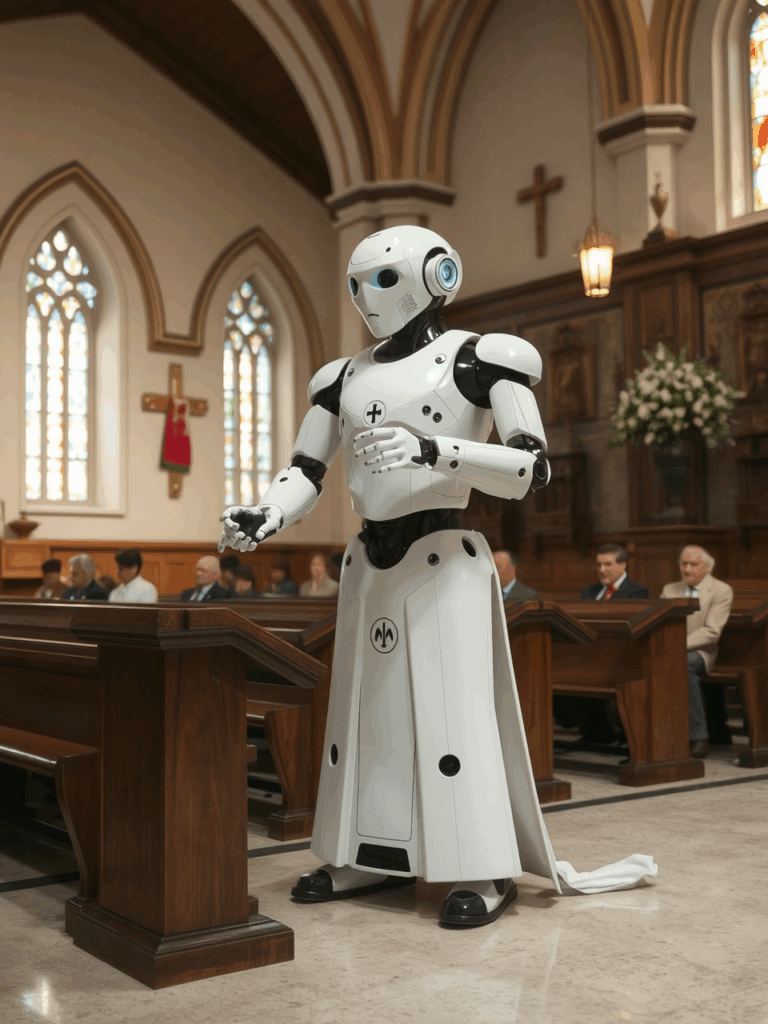
An AI can help formulate a prayer. But what happens when someone prays it? Can it be filled with spiritual
content? The same applies to a prayer book… the words must be brought to life.
– Then the question is: what is not reflected? And what happens if we start to forget it?
At the same time, he is not anti-technology. He believes that AI could be used as a sounding board for thought processes, and sees opportunities in using it, for example, as a training tool for self-reflection or in the writing of prayers.
– AI can help formulate a prayer. But what happens when someone prays it? Can it be filled with spiritual content? The same applies to a prayer book… the words must be brought to life. But from there to letting an AI lead a confirmation class is a big step.
– Imagine a conference camp: is it most important to convey information? Or is it about socialising, building trust, feeling a sense of community with each other and with the church? Technical matters in a church council, where would AI
perhaps being able to contribute, he admits. But not when it comes to what happens between people, which is also the reason why he is torn about self-help apps and digital devotions.
– The throne is often something we share. It is carried in the collective. Apps can be a first step but they
It doesn't capture everything. He has no doubt that AI will enter the church. Just like the printing press, the organ, and the sound system, AI will also find its place. The question is what we do with it.
We need to reflect on our own roles in the community. What AI doesn't capture and what we want a church to be. Because when we see ourselves reflected in technology, we also see what isn't visible – and perhaps that says the most of all.