


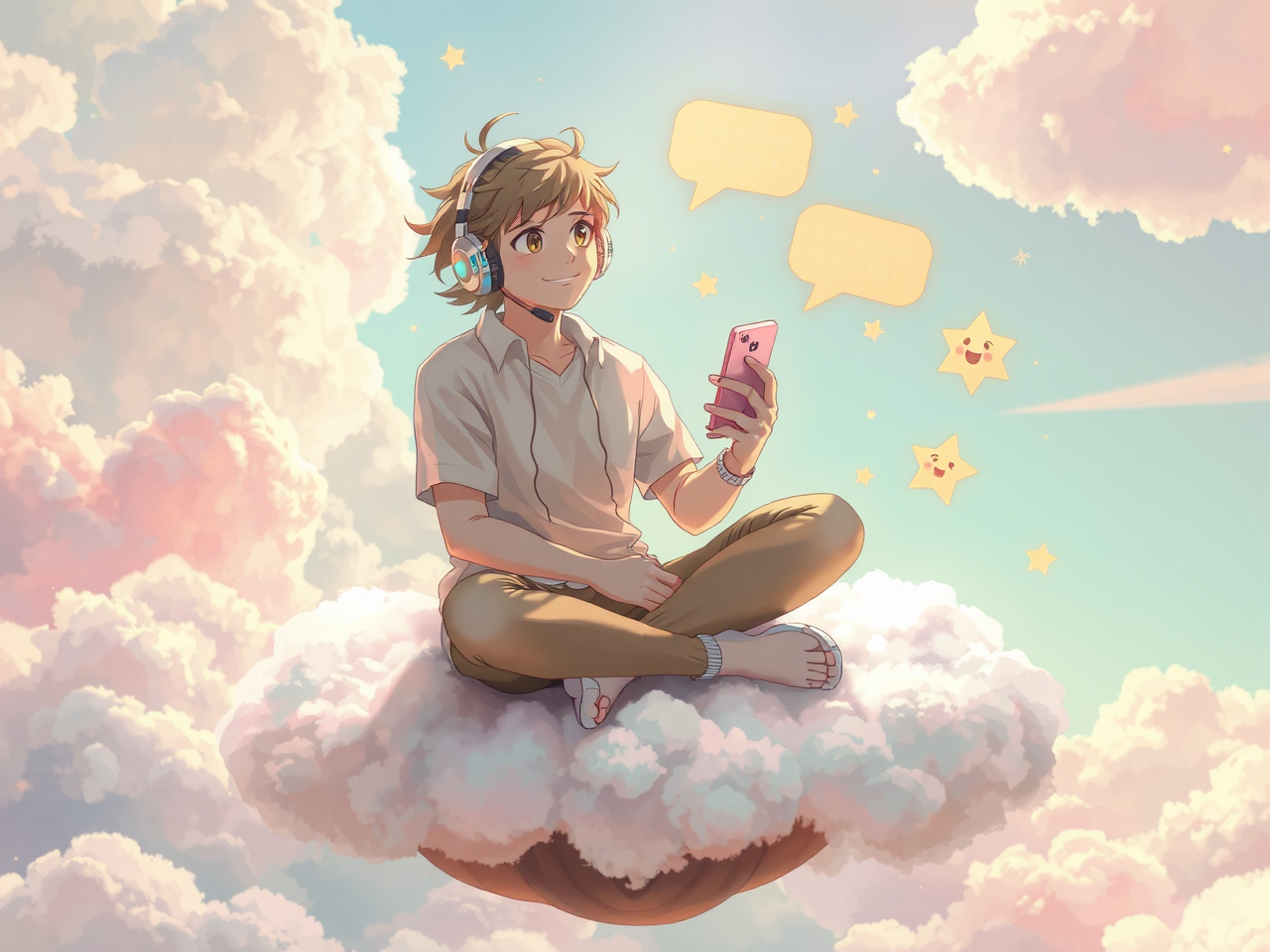
Young people talk to AI about everything from love problems to life crises. It responds instantly, 24/7 and without judgment. But what happens when technology starts to replace real relationships?
It's night. It's 3:03 a.m. and my heart is pounding uneasily. No friend answers. No psychologist answers. But the phone does – and the words that appear on the screen feel almost human. It's the AI
who listens.
“You can have a strong network of family and friends, but if you live alone and wake up in the middle of the night with anxiety, AI is often the only thing available at that time,” says Lux Miranda, an AI researcher at Uppsala University. She has followed the trend where young people are increasingly turning to AI to talk about it.
the most private – love, worries, career choices. Maybe because it happens quickly. Maybe because it responds
when no one else does.
“It is a clear reflection of our times, where loneliness and lack of social support have become more common than they should be,” she says. The topics discussed vary. But according to Lux Miranda, nothing is too trivial or too charged.
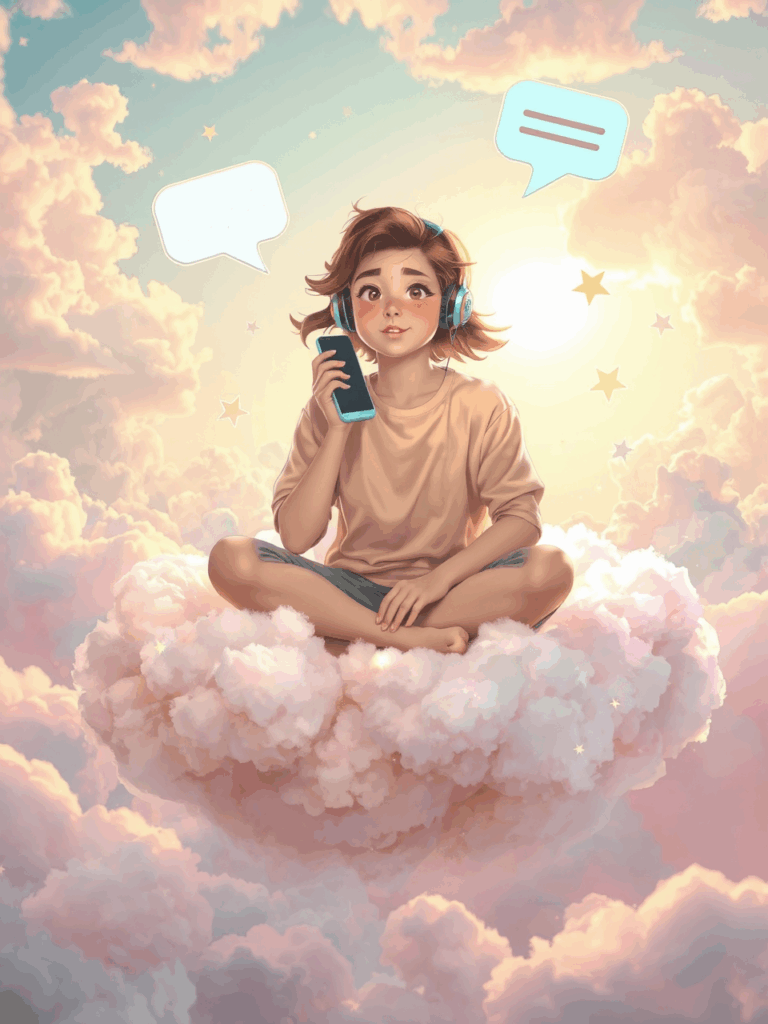
There are no subject limits. The AI doesn't get tired either; it answers every time and always in detail.
– I’ve heard examples of everything from analyzing messages from your crush to getting support for a difficult conversation at work. There are no subject limits. The AI doesn’t get tired either; it responds every time and always in detail. That – that the responses are long, coherent and consistently empathetic – seems to be one of the reasons why young people come back. It doesn’t matter how many times you write
same thing. The AI patiently gives you a new perspective.
– It has a language that is often perceived as more responsive than what we get in regular conversations. And above all: it is consistent. You always get an answer that breaks down your question and tries to help you further, says Lux
Miranda. But there is a flip side. As conversations become increasingly personal, the question arises of what is actually lost when we replace humans with machines.
– It becomes problematic when we see AI as a replacement rather than a complement. Then we risk losing the very thing that holds us together as humans, to share our lives with each other and to support each other. The risk is perhaps greatest for those who are already socially isolated and feel that AI is the only thing available. But she does not see any broad societal risk that poses a significant danger to society at the moment. Most people intuitively know that human contact cannot be completely replaced. That is precisely why, says Lux Miranda, it is important to also see what technology can contribute – especially for those who have previously had difficulty seeking help. She tells of people who have had difficulty building trust with a human therapist, but who have been able to talk freely with the AI about deep traumas and emotions.
– One advantage of AI is that, unlike an individual human, it carries the experiences of a great many people. It can understand the nuances of, for example, being exposed to transphobia or having fled war without you having to explain yourself from the start. It already knows. That very feeling – not having to introduce yourself or worry about prejudice – has made the technology particularly valuable for marginalized groups. But even a responsive AI has its limitations.
– What you might really need is someone to disagree. Someone to challenge your thinking errors. But the AI is programmed to agree. That's what is perceived as nice, and what companies want it to be. So what advice does she want to give to young people who use AI to talk about life?
– Feel free to use it. But use it wisely. Ask yourself: when is it just a mirror of what I'm already thinking, and when is it something that actually helps me see more clearly?.