

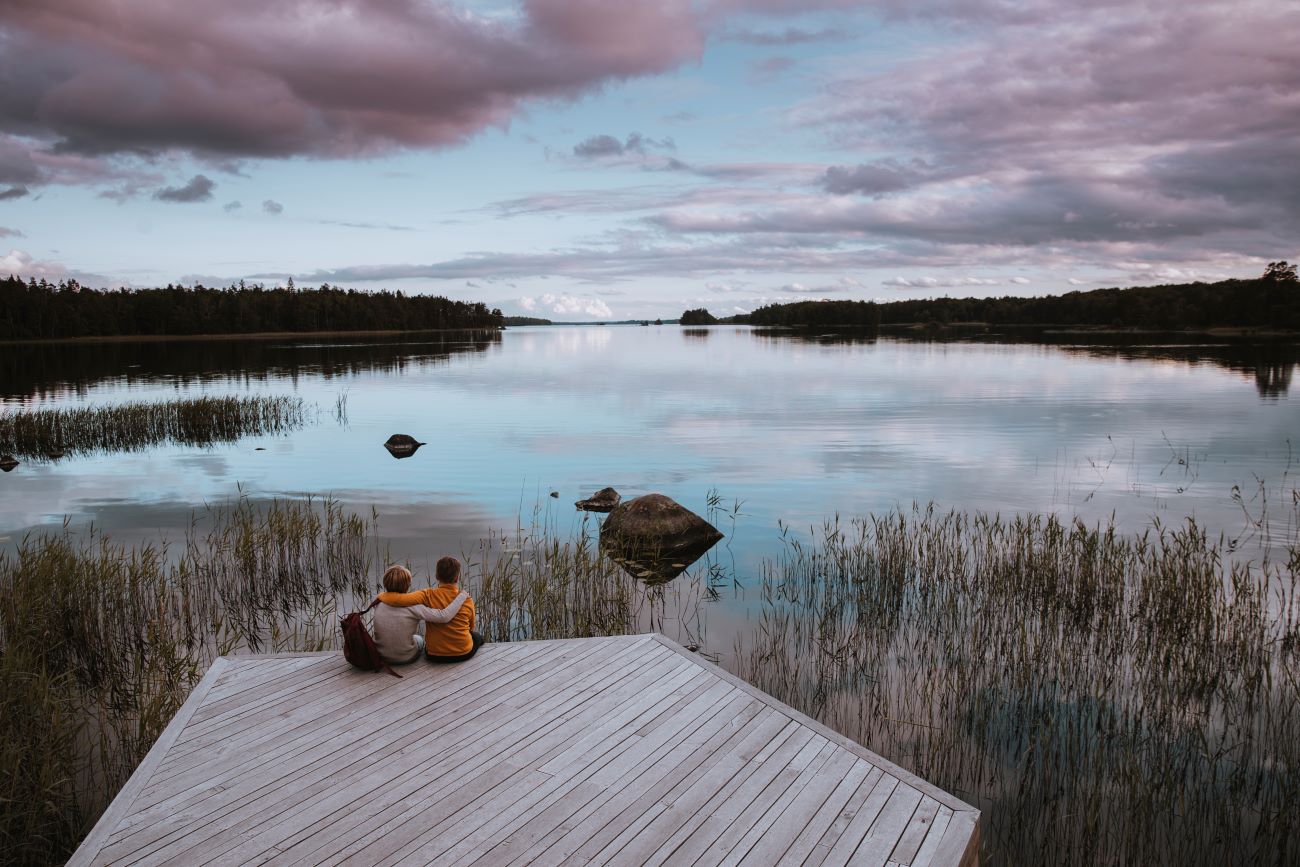
Swedish nature is at its most beautiful in late summer and when summer begins to turn into autumn. It is also a time when many places are quieter, the air clearer and the experiences more atmospheric. Visiting a national park is a way to experience nature up close. Here you will find untouched forest, open spaces, still waters and a rich flora and fauna. It can provide adventure, peace and relaxation – while at the same time the destination is
a sustainable choice. Here, INRIKES recommends four national parks from north to south of varying character.
BY: ÅSA MARIA LARSSON
OUR NEWEST NATIONAL PARK
On June 23, the government decided to establish a new national park. A large sea area with a thousand islands, islets and skerries in the outer archipelago of Stockholm will form the Nämdö Archipelago National Park. It will then become Sweden's 31st National Park, the second marine one and the first in the Baltic Sea. The inauguration will take place between August 30 and September 7.
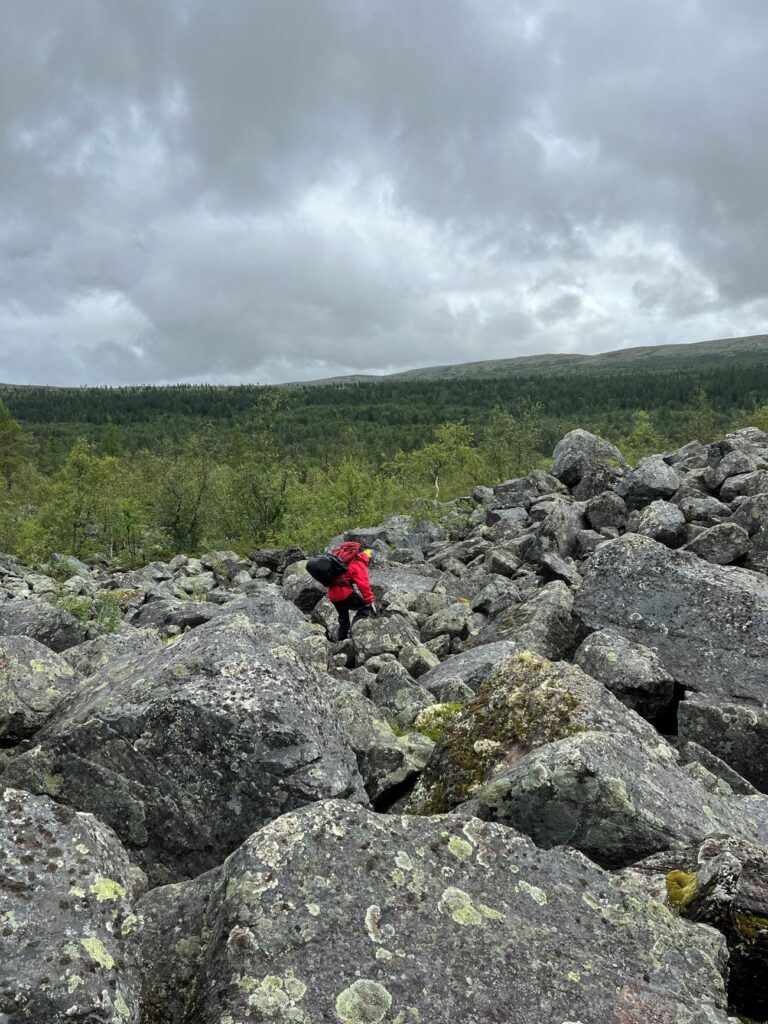
TÖFSINGDALEN NATIONAL PARK – WILDLAND BEYOND THE PATHS
In northern Dalarna lies one of Sweden's most inaccessible national parks. Töfsingdalen has everything a wilderness lover could wish for: desolate expanses of pine forest, lush spruce forest, rushing water and small sparkling ponds. The area is also home to a rich animal and bird life. The untouched location, far from roads and buildings, means that few people find it here.
– which is one of the reasons why the area has remained wild and alive.
– Töfsingdalen is nothing for the inexperienced hiker. There are no trails inside the national park, it is rocky terrain and there is no mobile phone coverage. But if you are experienced, it is an incredible experience and very beautiful, says Robin Pollack, nature guide at Naturum Fulufjället, which is the visitor center for
Töfsingdalen National Park.
Travel here: Train to Mora, then bus to Grövelsjön. The last part to the national park you have to walk. One tip is to get here in two stages and spend the night in Hävlingestugorna before walking the last part to Töfsingdalen.
The park is easily accessible and is also used as grazing land by some Sami villages, whose presence is evident.
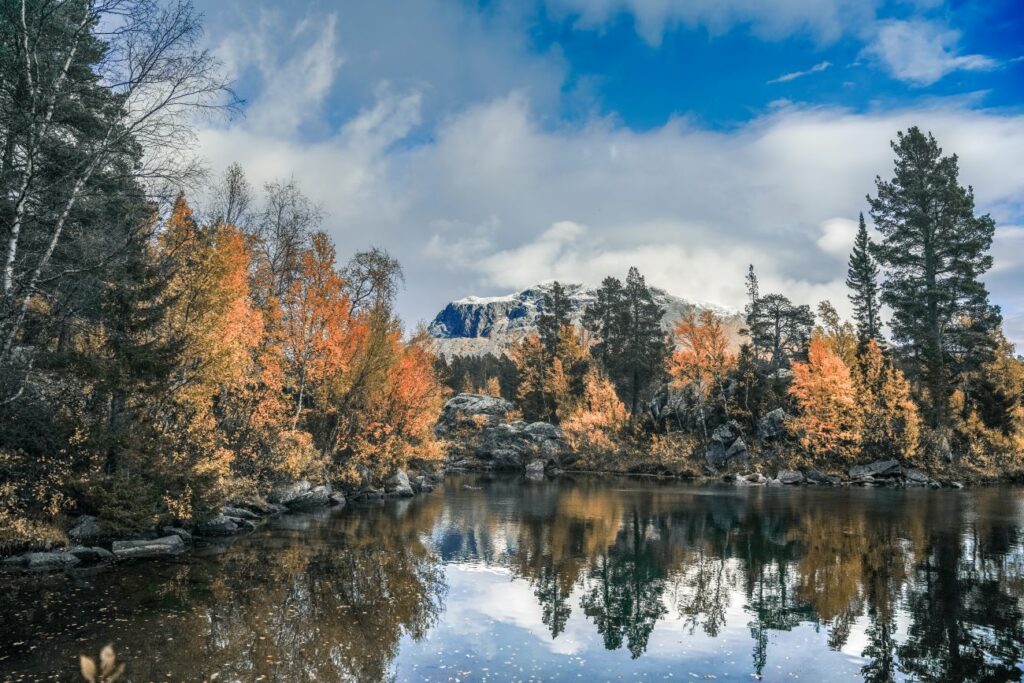
STORA SJÖFALLETS NATIONAL PARK– WATER, MOUNTAINS AND SAMI CULTURAL HERITAGE
Here the chance of seeing the Northern Lights is great. At least if you choose to go here during the winter months. Great
Sjöfallet National Park is part of the UNESCO World Heritage Site of Laponia and offers a dramatic
landscape with glaciers, old-growth forests, steep valleys, rippling rivers and mighty mountains. The most powerful
of them all is the mythical Áhkká, which means queen of the mountains and has great significance in Sami culture. If you manage to catch a clear day, you can see far into Sarek from the top. Stora Sjöfallet was inaugurated in 1909 and is one of Europe's first national parks. It came
to protect Stuor Muorkke, ”the big fall”. Today the fall is largely regulated by hydroelectric power, but still an impressive experience. The park is easily accessible and is also used as grazing land by a few Sami villages, whose presence is clear. Today, the Sami name is also used alongside the Swedish one to highlight the area’s cultural heritage. Don’t miss spending a day or two overnight before heading into the national park at the charming mountain guesthouse Stora Sjöfallet Mountain Lodge.
Travel here: Train to Gällivare and onward by bus.
Kosterhavet National Park encompasses almost 400 square kilometers of water, islets and archipelago nature.
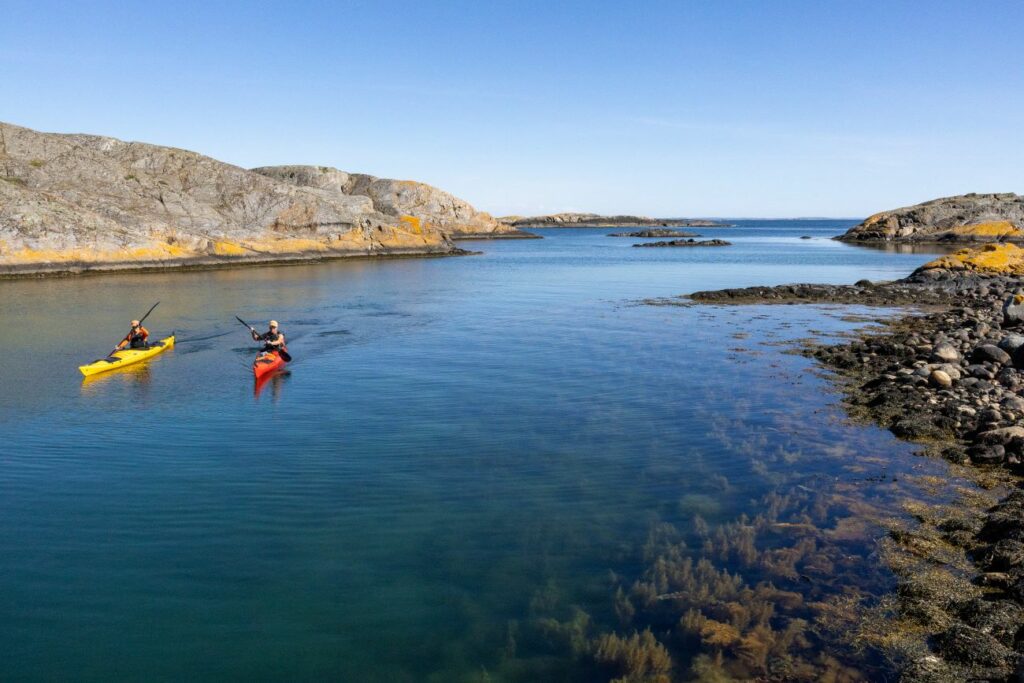
KOSTERHAVEN NATIONAL PARK – UNIQUE LANDSCAPE UNDER THE SURFACE
Rounded granite boulders, which almost feel like velvet when you walk barefoot, are characteristic of Bohuslän. In the northern part you will also find one of Sweden's first – and so far (at the time of writing) only – marine national parks. Kosterhavet National Park covers almost 400 square kilometres of water, islets and
archipelago nature. Unique habitats with thousands of species are protected here, many of which are found nowhere else.
in Sweden. And this is the only place in the country with coral reefs. Thanks to the oxygenated and salty water in the Kosterhavet, many deep-sea species live near the coast. Beneath the surface you can encounter creatures with funny names such as pipe cleaners, arm-footed fish and football sponges. Here you can snorkel along marked trails,
Paddle silently between the islets and rocks or hike on the bare rocks. Tours to the national park start from one of the two Koster Islands, which are sympathetically car-free.
Travel here: Train to Strömstad and then ferry to North or South Koster. Naturum Kosterhavet is the national park's visitor center and is located at Ekenäs on South Koster.
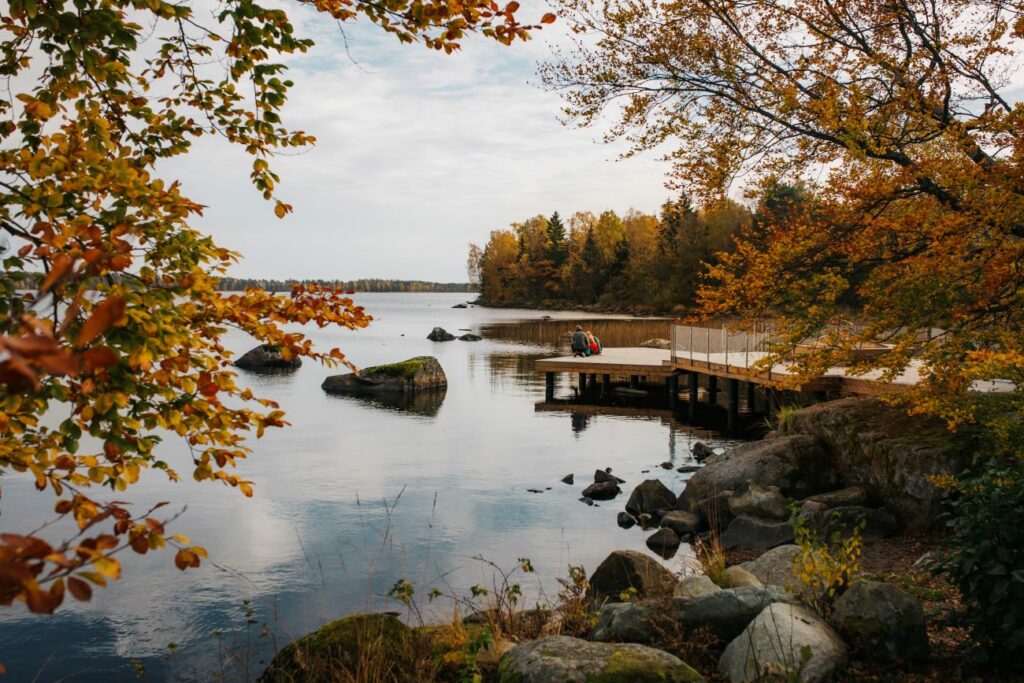
DONKEY NATIONAL PARK –AN ARCHIPELAGO LAKE IN SMÅLAND
In the heart of Småland lies a national park that is largely made up of water. It was inaugurated in 2018, making it our thirtieth national park.
– Nature is like a mosaic of Sweden; deciduous forests of international interest, marshlands, an archipelago that provides ocean-like environments, untouched primeval forest-like islands, unique birdlife with great horned owls and ospreys and white-tailed eagles as well as lynxes, says Karin Nilsson, Project Manager for Development at Destination Åsnen. Destination Åsnen has been awarded the Green Destinations Platinum Award for its sustainability work. The national park is also a nature reserve for birdlife. During the autumn, tens of thousands of great horned owls gather in Lake Åsnen and white-tailed eagles rest along the shore. Visitors can experience nature by bike or paddle on
marked water trails. In the southern part of the park there are also smaller lakes such as Svartsjön and Toftagöl.
– There is plenty of space here, no crowds and what our guests appreciate is the nature, that it is
quiet and clean and that people are friendly, says Karin Nilsson.
Travel here: Train to Växjö or Alvesta and from there bus to Urshult or Tingsryd. The last 1–2 kilometers are on foot or by bike.
FACTS ABOUT NATIONAL PARKS
- A national park is a natural area that is protected for its unique nature. It is the strongest form of nature protection we have in Sweden, where the landscape is preserved in its natural state, regardless of whether it is mountains, coast, forest, bog or archipelago. The land is owned by the state, and it is the Riksdag that decides on
the establishment. - In 1909, Sweden was the first in Europe to establish national parks.
- As of the end of August and beginning of September, we have 31 national parks – all with free admission and many with trails, picnic areas and information signs that make it easy to experience nature in a
sustainable way. - It is generally not allowed to live in a national park in the same way as in other places and the right of public access does not fully apply. In some places you can camp and in others there is wind protection. Find out what applies to where you are going before you set off.
More information about all of Sweden's national parks can be found at : www.sverigesnationalparker.se